 |
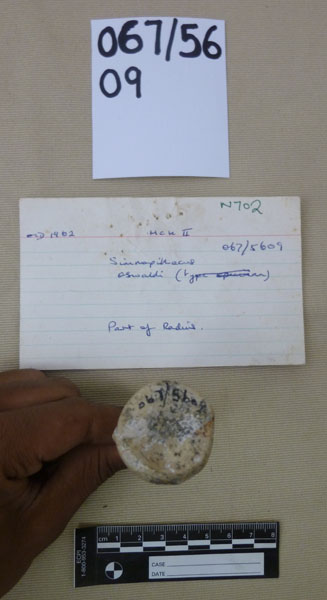
067/56 09 |
8147 |
|
|
RAD-f |
|
122 - National Museum and House of Culture, Dar es Salaam, Tanzania |
|
|
|
-- |
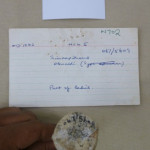
Part of radius. Proximal end with 1/3 shaft. In the same bag with 067/5611,067/5616 and 067/5610. Card with specimen states "N702".type specimen? |
|
2012/07/30 |
264 - Leakey family expedition |
Unknown |
|
Mammalia |
Primates |
Anthropoidea |
Haplorhini |
Cercopithecoidea |
Cercopithecidae |
Cynocephalinae |
|
Simopithecus |
oswaldi |
|
|
No |
 |
UNLABELED SPECIMEN OLD? 2 |
8168 |
|
|
UK-f |
|
122 - National Museum and House of Culture, Dar es Salaam, Tanzania |
|
|
|
-- |
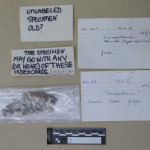
Unlabeled fragments in bag in same package with other bags of unlabeled fragments and labeled type specimens of Simopithecus oswaldi. May go with cards found in stack without specimens for numbers 067/5591 or 067/5579 (cards for Simopithecus oswaldi type specimens). |
|
2012/07/31 |
264 - Leakey family expedition |
Unknown |
|
Mammalia |
Primates |
Anthropoidea |
Haplorhini |
Cercopithecoidea |
Cercopithecidae |
Cynocephalinae |
|
Simopithecus |
oswaldi |
|
|
No |
 |
M. 14680 |
1337 |
|
|
R-MAN-f |
|
106 - Natural History Museum UK (?) |
IV |
|
|
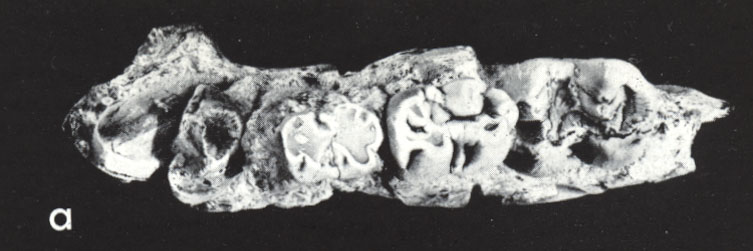
Jolly, C. J. 1972. The classification and natural history of Theropithecus (Simopithecus)(Andrews, 1916), baboons of the African Plio-Pleistocene: British Museum (Natural History) |
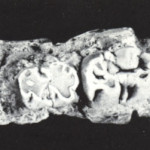
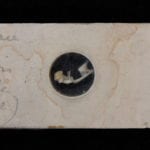
This is a juvenile specimen. It is pictured in plate 16a and 16b. |
146 - C. J. Jolly |
|
|
Unknown |
|
Mammalia |
Primates |
Anthropoidea |
Haplorhini |
Cercopithecoidea |
Cercopithecidae |
Cercopithecinae |
Papionini |
Theropithecus |
oswaldi |
leakeyi |
|
No |
 |
OVPP-P-18 |
13294 |
|
|
HAMMER-f |
|
|
|
|
|
-- |
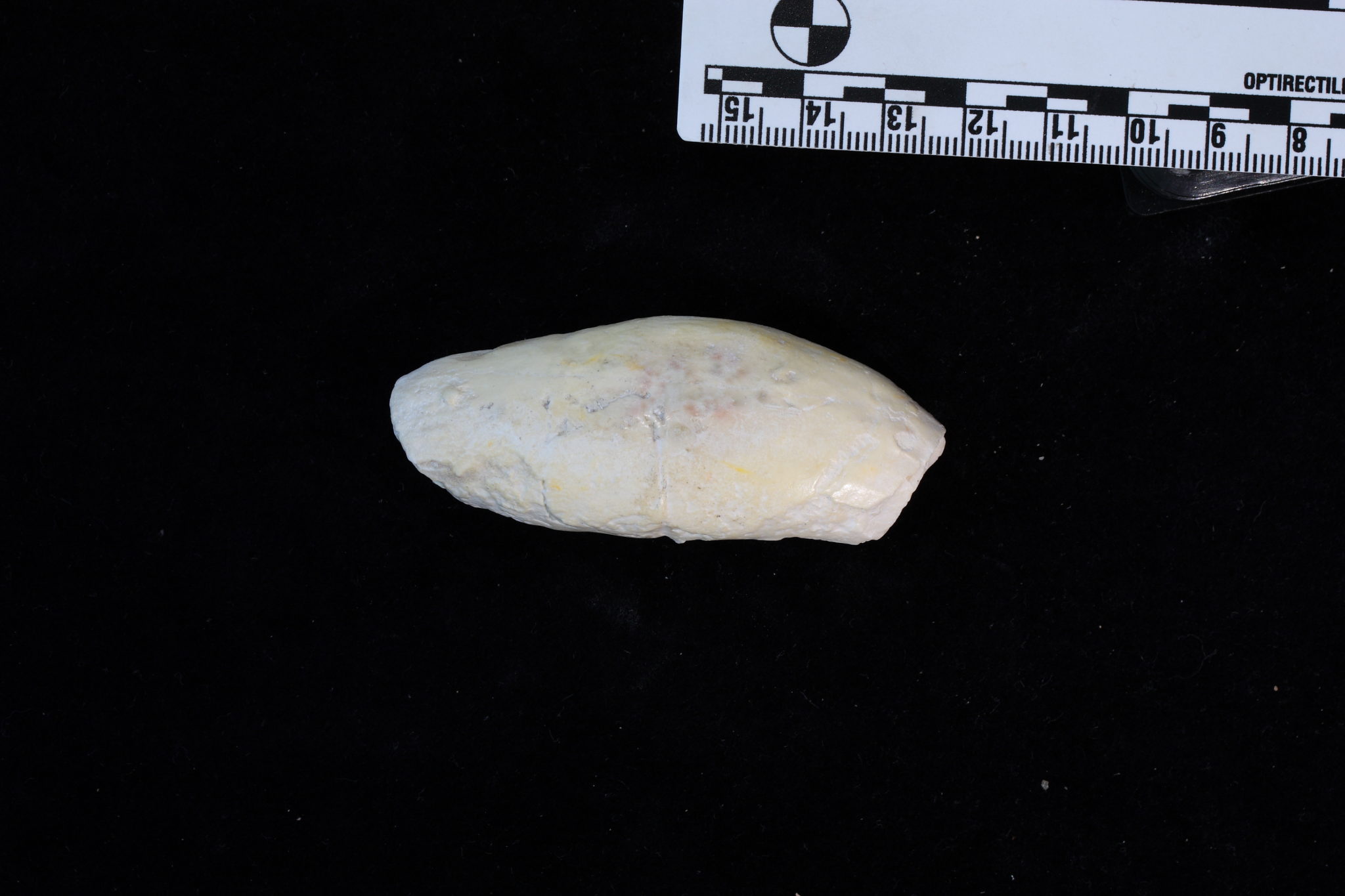
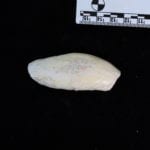
NN hammer lion. Looks modern, not fossilized |
|
|
|
Unknown |
|
|
Carnivora |
|
|
|
Felidae |
|
|
|
Panthera leo |
|
|
Yes |
 |
OVPP-P-57 |
13339 |
|
|
C-f |
|
|
|
|
|
-- |
OLD-55 BKII 302. Cast |
|
|
|
Unknown |
|
|
Carnivora |
|
|
|
Felidae |
|
|
|
Panthera leo |
|
|
Yes |
|
MW 49/136 |
6877 |
|
|
PERI-f |
|
106 - Natural History Museum UK (?) |
|
|
|
Auffenberg, W. 1981. The fossil turtles of Olduvai Gorge, Tanzania, Africa. Copeia 1981:509-522. |
|
152 - W. Auffenberg |
|
|
Unknown |
|
Reptilia |
Testudines |
Cryptodira |
|
Testidinoidea |
Testudinidae |
|
|
Geochelone |
pardalis |
|
The author mentions there are over 3,000 fossilized turtle fragments from Olduvai Gorge, 98% of which are from the species Pelusios sinuatus. However, it is unclear which specimens belong to which species based on the description given. When it was unclear, the specimen is only referred to as belonging to the Order Testudines. |
No |
|
OVPP-Geochelone 1 |
3106 |
10 - BK |
|
R-HYPL-f |
|
105 - National Museum and House of Culture, Dar es Salaam, Tanzania (?) |
II |
|
|
Auffenberg, W. 1981. The fossil turtles of Olduvai Gorge, Tanzania, Africa. Copeia 1981:509-522. |
Original information indicated that this specimen was located in Nairobi. This specimen is likely within the material that was repatriated to Dar in 2011, but this has yet to be confirmed. |
152 - W. Auffenberg |
|
264 - Leakey family expedition |
Unknown |
|
Reptilia |
Testudines |
Cryptodira |
|
Testidinoidea |
Testudinidae |
|
|
Geochelone |
pardalis |
|
|
No |
|
OVPP-Geochelone 2 |
3107 |
24 - DK |
|
PLR-f, CARA-f |
|
105 - National Museum and House of Culture, Dar es Salaam, Tanzania (?) |
I |
|
|
Auffenberg, W. 1981. The fossil turtles of Olduvai Gorge, Tanzania, Africa. Copeia 1981:509-522. |
Original information indicated that this specimen was located in Nairobi. This specimen is likely within the material that was repatriated to Dar in 2011, but this has yet to be confirmed. |
152 - W. Auffenberg |
|
264 - Leakey family expedition |
Unknown |
|
Reptilia |
Testudines |
Cryptodira |
|
Testidinoidea |
Testudinidae |
|
|
Geochelone |
pardalis |
|
The author mentions there are over 3,000 fossilized turtle fragments from Olduvai Gorge, 98% of which are from the species Pelusios sinuatus. However, it is unclear which specimens belong to which species based on the description given. When it was unclear, the specimen is only referred to as belonging to the Order Testudines. |
No |
|
OVPP-Geochelone 3 |
3108 |
24 - DK |
|
PERI-f |
|
105 - National Museum and House of Culture, Dar es Salaam, Tanzania (?) |
I |
|
|
Auffenberg, W. 1981. The fossil turtles of Olduvai Gorge, Tanzania, Africa. Copeia 1981:509-522. |
Original information indicated that this specimen was located in Nairobi. This specimen is likely within the material that was repatriated to Dar in 2011, but this has yet to be confirmed. |
152 - W. Auffenberg |
|
264 - Leakey family expedition |
Unknown |
|
Reptilia |
Testudines |
Cryptodira |
|
Testidinoidea |
Testudinidae |
|
|
Geochelone |
pardalis |
|
The author mentions there are over 3,000 fossilized turtle fragments from Olduvai Gorge, 98% of which are from the species Pelusios sinuatus. However, it is unclear which specimens belong to which species based on the description given. When it was unclear, the specimen is only referred to as belonging to the Order Testudines. |
No |
|
OVPP-Geochelone 4 |
3109 |
24 - DK |
|
NRL-f |
|
105 - National Museum and House of Culture, Dar es Salaam, Tanzania (?) |
I |
|
|
Auffenberg, W. 1981. The fossil turtles of Olduvai Gorge, Tanzania, Africa. Copeia 1981:509-522. |
Original information indicated that this specimen was located in Nairobi. This specimen is likely within the material that was repatriated to Dar in 2011, but this has yet to be confirmed. |
152 - W. Auffenberg |
|
264 - Leakey family expedition |
Unknown |
|
Reptilia |
Testudines |
Cryptodira |
|
Testidinoidea |
Testudinidae |
|
|
Geochelone |
pardalis |
|
The author mentions there are over 3,000 fossilized turtle fragments from Olduvai Gorge, 98% of which are from the species Pelusios sinuatus. However, it is unclear which specimens belong to which species based on the description given. When it was unclear, the specimen is only referred to as belonging to the Order Testudines. |
No |
|
MW 49/136 |
3110 |
|
|
PERI-f |
|
106 - Natural History Museum UK (?) |
|
|
|
Auffenberg, W. 1981. The fossil turtles of Olduvai Gorge, Tanzania, Africa. Copeia 1981:509-522. |
|
152 - W. Auffenberg |
|
|
Unknown |
|
Reptilia |
Testudines |
Cryptodira |
|
Testidinoidea |
Testudinidae |
|
|
Geochelone |
pardalis |
|
The author mentions there are over 3,000 fossilized turtle fragments from Olduvai Gorge, 98% of which are from the species Pelusios sinuatus. However, it is unclear which specimens belong to which species based on the description given. When it was unclear, the specimen is only referred to as belonging to the Order Testudines. |
No |
 |
01. R. L2-2 |
3127 |
|
|
L-MAX-f, M |
|
104 - Unknown |
I |
|
|
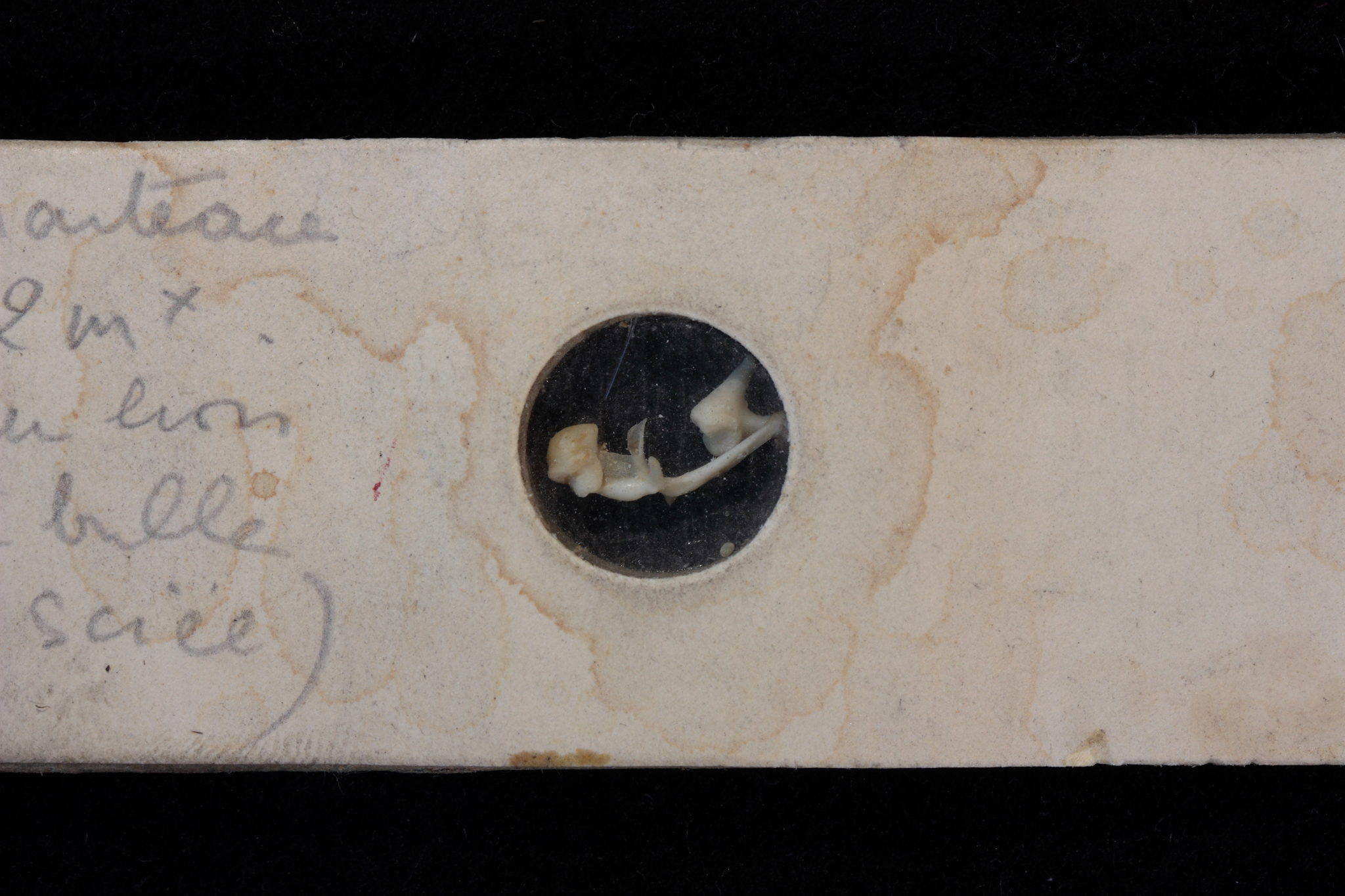
Jaeger, J.J. 1976. Les rongeurs (Mammalia, Rodentia) du Pleistocene inferieur d’Olduvai Bed I (Tanzanie) 1ere Partie: Les Murides. Fossil vertebrates of Africa 4:58-120. |
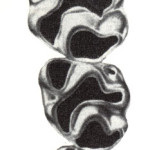
This specimen is pictured in plate 3, figures A and B. This species is found at FLK NI, layers 1, 2, 3, 4, 5, and 6; FLK NNI, layers 1, 2, and 3; FLK I, Zinjanthropus layer. It is unclear where individual specimens come from, however. |
153 - J. Jaeger |
|
|
Yes |
|
Mammalia |
Rodentia |
Myomorpha |
Myodonta |
Muroidea |
Muridae |
Murinae |
|
Mus |
petteri |
|
Holotype |
No |
|
01. R. K-1 |
3131 |
|
|
L-MAN-f, M |
|
104 - Unknown |
I |
|
|
Jaeger, J.J. 1976. Les rongeurs (Mammalia, Rodentia) du Pleistocene inferieur d’Olduvai Bed I (Tanzanie) 1ere Partie: Les Murides. Fossil vertebrates of Africa 4:58-120. |
This species is found at FLK NI, layers 1, 2, 3, 4, 5, and 6; FLK NNI, layers 1, 2, and 3; FLK I, Zinjanthropus layer. It is unclear where individual specimens come from, however. |
153 - J. Jaeger |
|
|
Unknown |
|
Mammalia |
Rodentia |
Myomorpha |
Myodonta |
Muroidea |
Muridae |
Murinae |
|
Mus |
petteri |
|
|
No |
|
01. R. L2-3 |
3132 |
|
|
R-MAN-f, M |
|
104 - Unknown |
I |
|
|
Jaeger, J.J. 1976. Les rongeurs (Mammalia, Rodentia) du Pleistocene inferieur d’Olduvai Bed I (Tanzanie) 1ere Partie: Les Murides. Fossil vertebrates of Africa 4:58-120. |
This species is found at FLK NI, layers 1, 2, 3, 4, 5, and 6; FLK NNI, layers 1, 2, and 3; FLK I, Zinjanthropus layer. It is unclear where individual specimens come from, however. |
153 - J. Jaeger |
|
|
Unknown |
|
Mammalia |
Rodentia |
Myomorpha |
Myodonta |
Muroidea |
Muridae |
Murinae |
|
Mus |
petteri |
|
|
No |
|
01. R. L2-3 |
3133 |
|
|
L-MAN-f, M |
|
104 - Unknown |
I |
|
|
Jaeger, J.J. 1976. Les rongeurs (Mammalia, Rodentia) du Pleistocene inferieur d’Olduvai Bed I (Tanzanie) 1ere Partie: Les Murides. Fossil vertebrates of Africa 4:58-120. |
This species is found at FLK NI, layers 1, 2, 3, 4, 5, and 6; FLK NNI, layers 1, 2, and 3; FLK I, Zinjanthropus layer. It is unclear where individual specimens come from, however. |
153 - J. Jaeger |
|
|
Unknown |
|
Mammalia |
Rodentia |
Myomorpha |
Myodonta |
Muroidea |
Muridae |
Murinae |
|
Mus |
petteri |
|
|
No |
|
01. R. L3-4 |
3134 |
|
|
L-MAN-f, M |
|
104 - Unknown |
I |
|
|
Jaeger, J.J. 1976. Les rongeurs (Mammalia, Rodentia) du Pleistocene inferieur d’Olduvai Bed I (Tanzanie) 1ere Partie: Les Murides. Fossil vertebrates of Africa 4:58-120. |
This species is found at FLK NI, layers 1, 2, 3, 4, 5, and 6; FLK NNI, layers 1, 2, and 3; FLK I, Zinjanthropus layer. It is unclear where individual specimens come from, however. |
153 - J. Jaeger |
|
|
Unknown |
|
Mammalia |
Rodentia |
Myomorpha |
Myodonta |
Muroidea |
Muridae |
Murinae |
|
Mus |
petteri |
|
|
No |
|
01. R. L3-5 |
3135 |
|
|
R-MAN-f, M |
|
104 - Unknown |
I |
|
|
Jaeger, J.J. 1976. Les rongeurs (Mammalia, Rodentia) du Pleistocene inferieur d’Olduvai Bed I (Tanzanie) 1ere Partie: Les Murides. Fossil vertebrates of Africa 4:58-120. |
This species is found at FLK NI, layers 1, 2, 3, 4, 5, and 6; FLK NNI, layers 1, 2, and 3; FLK I, Zinjanthropus layer. It is unclear where individual specimens come from, however. |
153 - J. Jaeger |
|
|
Unknown |
|
Mammalia |
Rodentia |
Myomorpha |
Myodonta |
Muroidea |
Muridae |
Murinae |
|
Mus |
petteri |
|
|
No |
|
01. R. M1-6 |
3136 |
|
|
L-MAN-f, M |
|
104 - Unknown |
I |
|
|
Jaeger, J.J. 1976. Les rongeurs (Mammalia, Rodentia) du Pleistocene inferieur d’Olduvai Bed I (Tanzanie) 1ere Partie: Les Murides. Fossil vertebrates of Africa 4:58-120. |
This species is found at FLK NI, layers 1, 2, 3, 4, 5, and 6; FLK NNI, layers 1, 2, and 3; FLK I, Zinjanthropus layer. It is unclear where individual specimens come from, however. |
153 - J. Jaeger |
|
|
Unknown |
|
Mammalia |
Rodentia |
Myomorpha |
Myodonta |
Muroidea |
Muridae |
Murinae |
|
Mus |
petteri |
|
|
No |
|
01. R. M1-7 |
3137 |
|
|
L-MAN-f, M |
|
104 - Unknown |
I |
|
|
Jaeger, J.J. 1976. Les rongeurs (Mammalia, Rodentia) du Pleistocene inferieur d’Olduvai Bed I (Tanzanie) 1ere Partie: Les Murides. Fossil vertebrates of Africa 4:58-120. |
This species is found at FLK NI, layers 1, 2, 3, 4, 5, and 6; FLK NNI, layers 1, 2, and 3; FLK I, Zinjanthropus layer. It is unclear where individual specimens come from, however. |
153 - J. Jaeger |
|
|
Unknown |
|
Mammalia |
Rodentia |
Myomorpha |
Myodonta |
Muroidea |
Muridae |
Murinae |
|
Mus |
petteri |
|
|
No |
|
01. R. M1-8 |
3138 |
|
|
L-MAN-f, M |
|
104 - Unknown |
I |
|
|
Jaeger, J.J. 1976. Les rongeurs (Mammalia, Rodentia) du Pleistocene inferieur d’Olduvai Bed I (Tanzanie) 1ere Partie: Les Murides. Fossil vertebrates of Africa 4:58-120. |
This species is found at FLK NI, layers 1, 2, 3, 4, 5, and 6; FLK NNI, layers 1, 2, and 3; FLK I, Zinjanthropus layer. It is unclear where individual specimens come from, however. |
153 - J. Jaeger |
|
|
Unknown |
|
Mammalia |
Rodentia |
Myomorpha |
Myodonta |
Muroidea |
Muridae |
Murinae |
|
Mus |
petteri |
|
|
No |
|
01. R. M1-9 |
3139 |
|
|
L-MAN-f, M |
|
104 - Unknown |
I |
|
|
Jaeger, J.J. 1976. Les rongeurs (Mammalia, Rodentia) du Pleistocene inferieur d’Olduvai Bed I (Tanzanie) 1ere Partie: Les Murides. Fossil vertebrates of Africa 4:58-120. |
This species is found at FLK NI, layers 1, 2, 3, 4, 5, and 6; FLK NNI, layers 1, 2, and 3; FLK I, Zinjanthropus layer. It is unclear where individual specimens come from, however. |
153 - J. Jaeger |
|
|
Unknown |
|
Mammalia |
Rodentia |
Myomorpha |
Myodonta |
Muroidea |
Muridae |
Murinae |
|
Mus |
petteri |
|
|
No |
|
01. R. M1-10 |
3140 |
|
|
R-MAN-f, M |
|
104 - Unknown |
I |
|
|
Jaeger, J.J. 1976. Les rongeurs (Mammalia, Rodentia) du Pleistocene inferieur d’Olduvai Bed I (Tanzanie) 1ere Partie: Les Murides. Fossil vertebrates of Africa 4:58-120. |
This species is found at FLK NI, layers 1, 2, 3, 4, 5, and 6; FLK NNI, layers 1, 2, and 3; FLK I, Zinjanthropus layer. It is unclear where individual specimens come from, however. |
153 - J. Jaeger |
|
|
Unknown |
|
Mammalia |
Rodentia |
Myomorpha |
Myodonta |
Muroidea |
Muridae |
Murinae |
|
Mus |
petteri |
|
|
No |
|
01. R. M1-11 |
3141 |
|
|
R-MAN-f, M |
|
104 - Unknown |
I |
|
|
Jaeger, J.J. 1976. Les rongeurs (Mammalia, Rodentia) du Pleistocene inferieur d’Olduvai Bed I (Tanzanie) 1ere Partie: Les Murides. Fossil vertebrates of Africa 4:58-120. |
This species is found at FLK NI, layers 1, 2, 3, 4, 5, and 6; FLK NNI, layers 1, 2, and 3; FLK I, Zinjanthropus layer. It is unclear where individual specimens come from, however. |
153 - J. Jaeger |
|
|
Unknown |
|
Mammalia |
Rodentia |
Myomorpha |
Myodonta |
Muroidea |
Muridae |
Murinae |
|
Mus |
petteri |
|
|
No |
|
01. R. M2-12 |
3142 |
|
|
R-MAN-f, M |
|
104 - Unknown |
I |
|
|
Jaeger, J.J. 1976. Les rongeurs (Mammalia, Rodentia) du Pleistocene inferieur d’Olduvai Bed I (Tanzanie) 1ere Partie: Les Murides. Fossil vertebrates of Africa 4:58-120. |
This species is found at FLK NI, layers 1, 2, 3, 4, 5, and 6; FLK NNI, layers 1, 2, and 3; FLK I, Zinjanthropus layer. It is unclear where individual specimens come from, however. |
153 - J. Jaeger |
|
|
Unknown |
|
Mammalia |
Rodentia |
Myomorpha |
Myodonta |
Muroidea |
Muridae |
Murinae |
|
Mus |
petteri |
|
|
No |
|
01. R. M2-13 |
3143 |
|
|
L-MAN-f, M |
|
104 - Unknown |
I |
|
|
Jaeger, J.J. 1976. Les rongeurs (Mammalia, Rodentia) du Pleistocene inferieur d’Olduvai Bed I (Tanzanie) 1ere Partie: Les Murides. Fossil vertebrates of Africa 4:58-120. |
This species is found at FLK NI, layers 1, 2, 3, 4, 5, and 6; FLK NNI, layers 1, 2, and 3; FLK I, Zinjanthropus layer. It is unclear where individual specimens come from, however. |
153 - J. Jaeger |
|
|
Unknown |
|
Mammalia |
Rodentia |
Myomorpha |
Myodonta |
Muroidea |
Muridae |
Murinae |
|
Mus |
petteri |
|
|
No |
|
01. R. M2-14 |
3144 |
|
|
L-MAN-f, M |
|
104 - Unknown |
I |
|
|
Jaeger, J.J. 1976. Les rongeurs (Mammalia, Rodentia) du Pleistocene inferieur d’Olduvai Bed I (Tanzanie) 1ere Partie: Les Murides. Fossil vertebrates of Africa 4:58-120. |
This species is found at FLK NI, layers 1, 2, 3, 4, 5, and 6; FLK NNI, layers 1, 2, and 3; FLK I, Zinjanthropus layer. It is unclear where individual specimens come from, however. |
153 - J. Jaeger |
|
|
Unknown |
|
Mammalia |
Rodentia |
Myomorpha |
Myodonta |
Muroidea |
Muridae |
Murinae |
|
Mus |
petteri |
|
|
No |
|
01. R. M2-15 |
3145 |
|
|
L-MAN-f, M |
|
104 - Unknown |
I |
|
|
Jaeger, J.J. 1976. Les rongeurs (Mammalia, Rodentia) du Pleistocene inferieur d’Olduvai Bed I (Tanzanie) 1ere Partie: Les Murides. Fossil vertebrates of Africa 4:58-120. |
This species is found at FLK NI, layers 1, 2, 3, 4, 5, and 6; FLK NNI, layers 1, 2, and 3; FLK I, Zinjanthropus layer. It is unclear where individual specimens come from, however. |
153 - J. Jaeger |
|
|
Unknown |
|
Mammalia |
Rodentia |
Myomorpha |
Myodonta |
Muroidea |
Muridae |
Murinae |
|
Mus |
petteri |
|
|
No |
|
01. R. M4-16 |
3146 |
|
|
L-MAN-f, M |
|
104 - Unknown |
I |
|
|
Jaeger, J.J. 1976. Les rongeurs (Mammalia, Rodentia) du Pleistocene inferieur d’Olduvai Bed I (Tanzanie) 1ere Partie: Les Murides. Fossil vertebrates of Africa 4:58-120. |
This species is found at FLK NI, layers 1, 2, 3, 4, 5, and 6; FLK NNI, layers 1, 2, and 3; FLK I, Zinjanthropus layer. It is unclear where individual specimens come from, however. |
153 - J. Jaeger |
|
|
Unknown |
|
Mammalia |
Rodentia |
Myomorpha |
Myodonta |
Muroidea |
Muridae |
Murinae |
|
Mus |
petteri |
|
|
No |
|
01. R. M4-17 |
3147 |
|
|
R-MAN-f, M |
|
104 - Unknown |
I |
|
|
Jaeger, J.J. 1976. Les rongeurs (Mammalia, Rodentia) du Pleistocene inferieur d’Olduvai Bed I (Tanzanie) 1ere Partie: Les Murides. Fossil vertebrates of Africa 4:58-120. |
This species is found at FLK NI, layers 1, 2, 3, 4, 5, and 6; FLK NNI, layers 1, 2, and 3; FLK I, Zinjanthropus layer. It is unclear where individual specimens come from, however. |
153 - J. Jaeger |
|
|
Unknown |
|
Mammalia |
Rodentia |
Myomorpha |
Myodonta |
Muroidea |
Muridae |
Murinae |
|
Mus |
petteri |
|
|
No |
|
01. R. M5-18 |
3148 |
|
|
R-MAN-f, M |
|
104 - Unknown |
I |
|
|
Jaeger, J.J. 1976. Les rongeurs (Mammalia, Rodentia) du Pleistocene inferieur d’Olduvai Bed I (Tanzanie) 1ere Partie: Les Murides. Fossil vertebrates of Africa 4:58-120. |
This species is found at FLK NI, layers 1, 2, 3, 4, 5, and 6; FLK NNI, layers 1, 2, and 3; FLK I, Zinjanthropus layer. It is unclear where individual specimens come from, however. |
153 - J. Jaeger |
|
|
Unknown |
|
Mammalia |
Rodentia |
Myomorpha |
Myodonta |
Muroidea |
Muridae |
Murinae |
|
Mus |
petteri |
|
|
No |
|
01. R. M6-19 |
3149 |
|
|
L-MAN-f, M |
|
104 - Unknown |
I |
|
|
Jaeger, J.J. 1976. Les rongeurs (Mammalia, Rodentia) du Pleistocene inferieur d’Olduvai Bed I (Tanzanie) 1ere Partie: Les Murides. Fossil vertebrates of Africa 4:58-120. |
This species is found at FLK NI, layers 1, 2, 3, 4, 5, and 6; FLK NNI, layers 1, 2, and 3; FLK I, Zinjanthropus layer. It is unclear where individual specimens come from, however. |
153 - J. Jaeger |
|
|
Unknown |
|
Mammalia |
Rodentia |
Myomorpha |
Myodonta |
Muroidea |
Muridae |
Murinae |
|
Mus |
petteri |
|
|
No |
|
OVPP-Otomys 4 |
3858 |
6 - FLK NN |
|
CRA-f, M, (n=3) |
|
|
I |
3 |
|
Denys, C. 1989. Phylogenetic affinities of the oldest East African Otomys (Rodentia, Mammalia) from Olduvai Bed I (Pleistocene, Tanzania). Neues Jahrbuch f |
Cranium has left and right upper M123.� |
|
|
|
Unknown |
|
Mammalia |
Rodentia |
Myomorpha |
Myodonta |
Muroidea |
Muridae |
Murinae |
Otomyini |
Otomys |
petteri |
|
|
No |
|
OVPP-Otomys 5 |
3859 |
5 - FLK |
|
MAN-f, (n=41), M, (n=143) |
|
|
I |
|
|
Denys, C. 1989. Phylogenetic affinities of the oldest East African Otomys (Rodentia, Mammalia) from Olduvai Bed I (Pleistocene, Tanzania). Neues Jahrbuch f |
Mandible fragments have M1-M3.�Author states that specimens come from FLKI, FLKNNI layers K, L2, L3, FLKNI layers M1-M6 but does not specify which specimen came from where.�Paper is a systematical study and does not provide specific details about each specimen. |
|
|
|
Unknown |
|
Mammalia |
Rodentia |
Myomorpha |
Myodonta |
Muroidea |
Muridae |
Murinae |
Otomyini |
Otomys |
petteri |
|
|
No |
|
OVPP-Otomys 6 |
3860 |
5 - FLK |
|
MAN-f, (n=78), M, (n=156) |
|
|
I |
|
|
Denys, C. 1989. Phylogenetic affinities of the oldest East African Otomys (Rodentia, Mammalia) from Olduvai Bed I (Pleistocene, Tanzania). Neues Jahrbuch f |
Mandible fragments have M1 and M2.�Author states that specimens come from FLKI, FLKNNI layers K, L2, L3, FLKNI layers M1-M6 but does not specify which specimen came from where.�Paper is a systematical study and does not provide specific details about each specimen. |
|
|
|
Unknown |
|
Mammalia |
Rodentia |
Myomorpha |
Myodonta |
Muroidea |
Muridae |
Murinae |
Otomyini |
Otomys |
petteri |
|
|
No |
|
OVPP-Otomys 7 |
3861 |
5 - FLK |
|
MAN-f, (n=4), M, (n=8) |
|
|
I |
|
|
Denys, C. 1989. Phylogenetic affinities of the oldest East African Otomys (Rodentia, Mammalia) from Olduvai Bed I (Pleistocene, Tanzania). Neues Jahrbuch f |
Mandible fragments have M2 and M3.�Author states that specimens come from FLKI, FLKNNI layers K, L2, L3, FLKNI layers M1-M6 but does not specify which specimen came from where.�Paper is a systematical study and does not provide specific details about each specimen. |
|
|
|
Unknown |
|
Mammalia |
Rodentia |
Myomorpha |
Myodonta |
Muroidea |
Muridae |
Murinae |
Otomyini |
Otomys |
petteri |
|
|
No |
|
OVPP-Otomys 8 |
3862 |
5 - FLK |
|
MAN-f, (n=61), M, (n=61) |
|
|
I |
|
|
Denys, C. 1989. Phylogenetic affinities of the oldest East African Otomys (Rodentia, Mammalia) from Olduvai Bed I (Pleistocene, Tanzania). Neues Jahrbuch f |
Mandible fragments have M1.�Author states that specimens come from FLKI, FLKNNI layers K, L2, L3, FLKNI layers M1-M6 but does not specify which specimen came from where.�Paper is a systematical study and does not provide specific details about each specimen. |
|
|
|
Unknown |
|
Mammalia |
Rodentia |
Myomorpha |
Myodonta |
Muroidea |
Muridae |
Murinae |
Otomyini |
Otomys |
petteri |
|
|
No |
|
OVPP-Otomys 9 |
3863 |
5 - FLK |
|
MAN-f, M |
|
|
I |
|
|
Denys, C. 1989. Phylogenetic affinities of the oldest East African Otomys (Rodentia, Mammalia) from Olduvai Bed I (Pleistocene, Tanzania). Neues Jahrbuch f |
Mandible fragment has M2.�Author states that specimens come from FLKI, FLKNNI layers K, L2, L3, FLKNI layers M1-M6 but does not specify which specimen came from where. |
|
|
|
Unknown |
|
Mammalia |
Rodentia |
Myomorpha |
Myodonta |
Muroidea |
Muridae |
Murinae |
Otomyini |
Otomys |
petteri |
|
|
No |
|
OVPP-Otomys 11 |
3865 |
5 - FLK |
|
MAX-f, (n=16), M, (n=48) |
|
|
I |
|
|
Denys, C. 1989. Phylogenetic affinities of the oldest East African Otomys (Rodentia, Mammalia) from Olduvai Bed I (Pleistocene, Tanzania). Neues Jahrbuch f |
Maxillary fragments have M1, M2 and M3.�Author states that specimens come from FLKI, FLKNNI layers K, L2, L3, FLKNI layers M1-M6 but does not specify which specimen came from where. |
|
|
|
Unknown |
|
Mammalia |
Rodentia |
Myomorpha |
Myodonta |
Muroidea |
Muridae |
Murinae |
Otomyini |
Otomys |
petteri |
|
|
No |
|
OVPP-Otomys 12 |
3866 |
5 - FLK |
|
MAX-f, (n=15), M, (n=30) |
|
|
I |
|
|
Denys, C. 1989. Phylogenetic affinities of the oldest East African Otomys (Rodentia, Mammalia) from Olduvai Bed I (Pleistocene, Tanzania). Neues Jahrbuch f |
Maxilla fragments have M1 and M2.�Author states that specimens come from FLKI, FLKNNI layers K, L2, L3, FLKNI layers M1-M6 but does not specify which specimen came from where. |
|
|
|
Unknown |
|
Mammalia |
Rodentia |
Myomorpha |
Myodonta |
Muroidea |
Muridae |
Murinae |
Otomyini |
Otomys |
petteri |
|
|
No |
|
OVPP-Otomys 13 |
3867 |
5 - FLK |
|
MAX-f, (n=12), M, (n=24) |
|
|
I |
|
|
Denys, C. 1989. Phylogenetic affinities of the oldest East African Otomys (Rodentia, Mammalia) from Olduvai Bed I (Pleistocene, Tanzania). Neues Jahrbuch f |
Maxilla fragments have M2 and M3.�Author states that specimens come from FLKI, FLKNNI layers K, L2, L3, FLKNI layers M1-M6 but does not specify which specimen came from where. |
|
|
|
Unknown |
|
Mammalia |
Rodentia |
Myomorpha |
Myodonta |
Muroidea |
Muridae |
Murinae |
Otomyini |
Otomys |
petteri |
|
|
No |