 |
1931 II 516 |
8509 |
|
|
L/R-BOCC-f |
1913 |
116 - Bayerische Staatssammlung für Paläontologie und Geologie (BSPG), Munich, Germany |
|
|
|
-- |
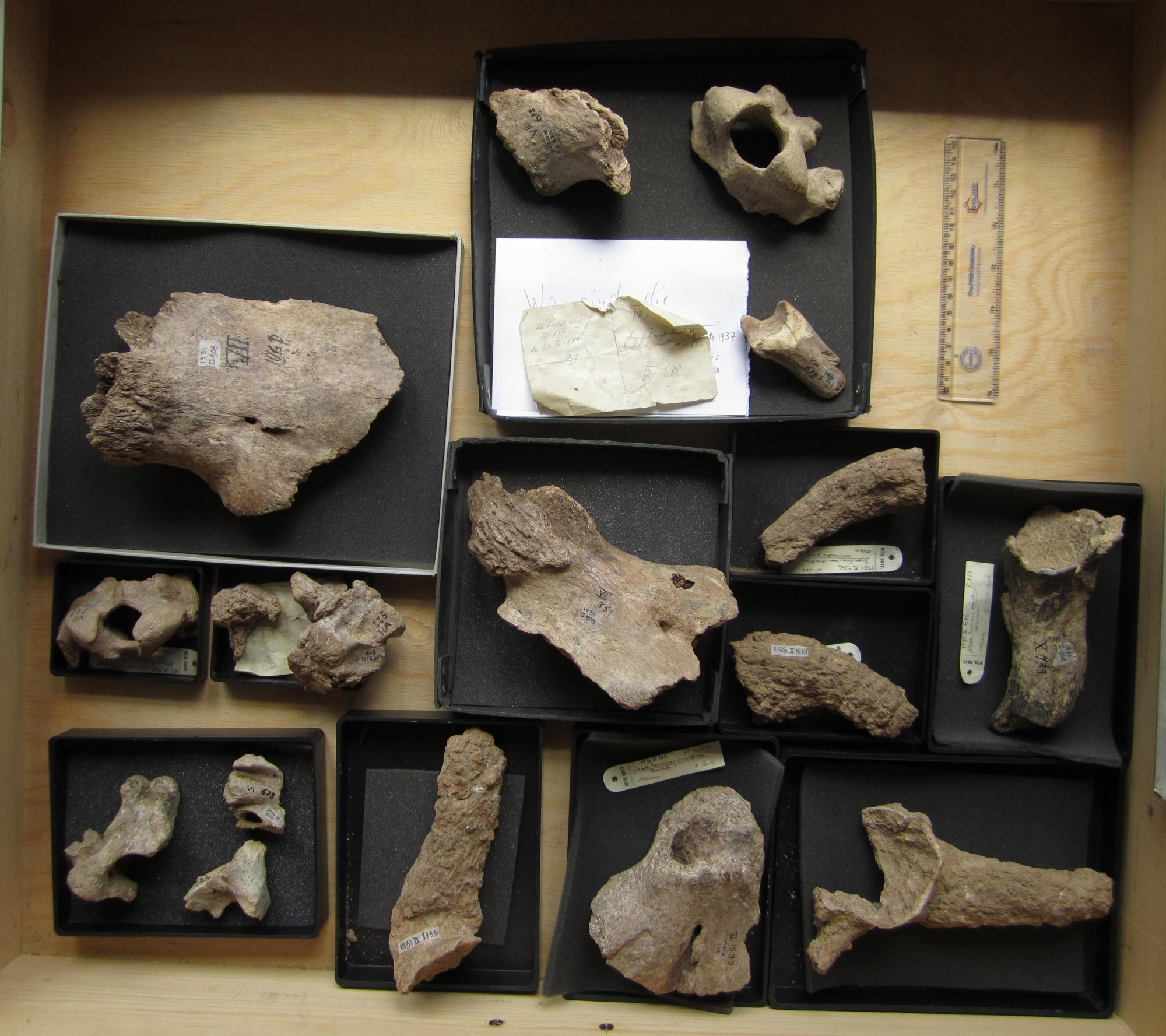
Basioccipital frag. Reck Field No.: VI 678. |
|
|
273 - Reck expedition |
Unknown |
|
Mammalia |
Artiodactyla |
Ruminantia |
|
Bovoidea |
Bovidae |
Alcelaphinae |
Alcelaphini |
|
|
|
Inventoried by Faysal Bibi in 2012. |
No |
|
BMNHM26550 (1) |
9374 |
|
|
R-CRA-f |
|
129 - National Natural History Museum, Naturalis, Leiden, The Netherlands (RMNH) |
|
|
|
-- |
Cranial fragments from right side of skull? |
159 - R. Bernor |
|
|
Unknown |
|
Mammalia |
Perissodactyla |
Hippomorpha |
|
|
Equidae |
Equinae |
Hipparionini |
Eurygnathohippus |
|
|
Inventoried by Ray Bernor. Identified by Bernor as genus Eurygnathohippus. |
No |
|
OH 14 |
3729 |
27 - MNK |
287 - 88 "Skull Site" |
CRA-f
, FRO-f
, R-PAR-f |
1963 |
122 - National Museum and House of Culture, Dar es Salaam, Tanzania |
II |
Lower Middle B |
Surface. Inferred as same horizon as OH 13 (Leakey MD, 1971). |
Leakey, L.S.B., Tobias, P.V. & Napier, J.R. 1964. A new species of the genus Homo from Olduvai Gorge. Nature 202(4927): 7-9. |
Juvenile (sutures unfused). Thin skull. Specimen previously housed at National Museum of Kenya. 11 pieces found at House of Culture, Dar es Salaam, Tanzania. |
130 - L.S.B. Leakey |
|
264 - Leakey family expedition |
No |
|
Mammalia |
Primates |
Anthropoidea |
Haplorhini |
Hominoidea |
Hominidae |
|
|
|
|
|
Juvenile, parietal is thin. |
No |
|
OH 25 |
3740 |
|
268 - 54 |
L-PAR-f |
1968 |
122 - National Museum and House of Culture, Dar es Salaam, Tanzania |
IV |
a |
Surface |
Leakey MD. (1971) Olduvai Gorge, Vol. 3: excavations in Beds I & II 1960-1963. New York, NY: Cambridge University Press. |
Left parietal fragment ca. asterion. Specimen previously housed at National Museum of Kenya. |
142 - M. D. Leakey |
|
264 - Leakey family expedition |
No |
|
Mammalia |
Primates |
Anthropoidea |
Haplorhini |
Hominoidea |
Hominidae |
|
|
|
|
|
Juvenile. |
No |
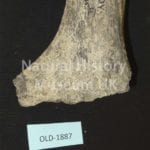 |
OLD-1887 |
13215 |
|
|
PVG-f |
|
114 - Natural History Museum UK |
|
|
|
-- |
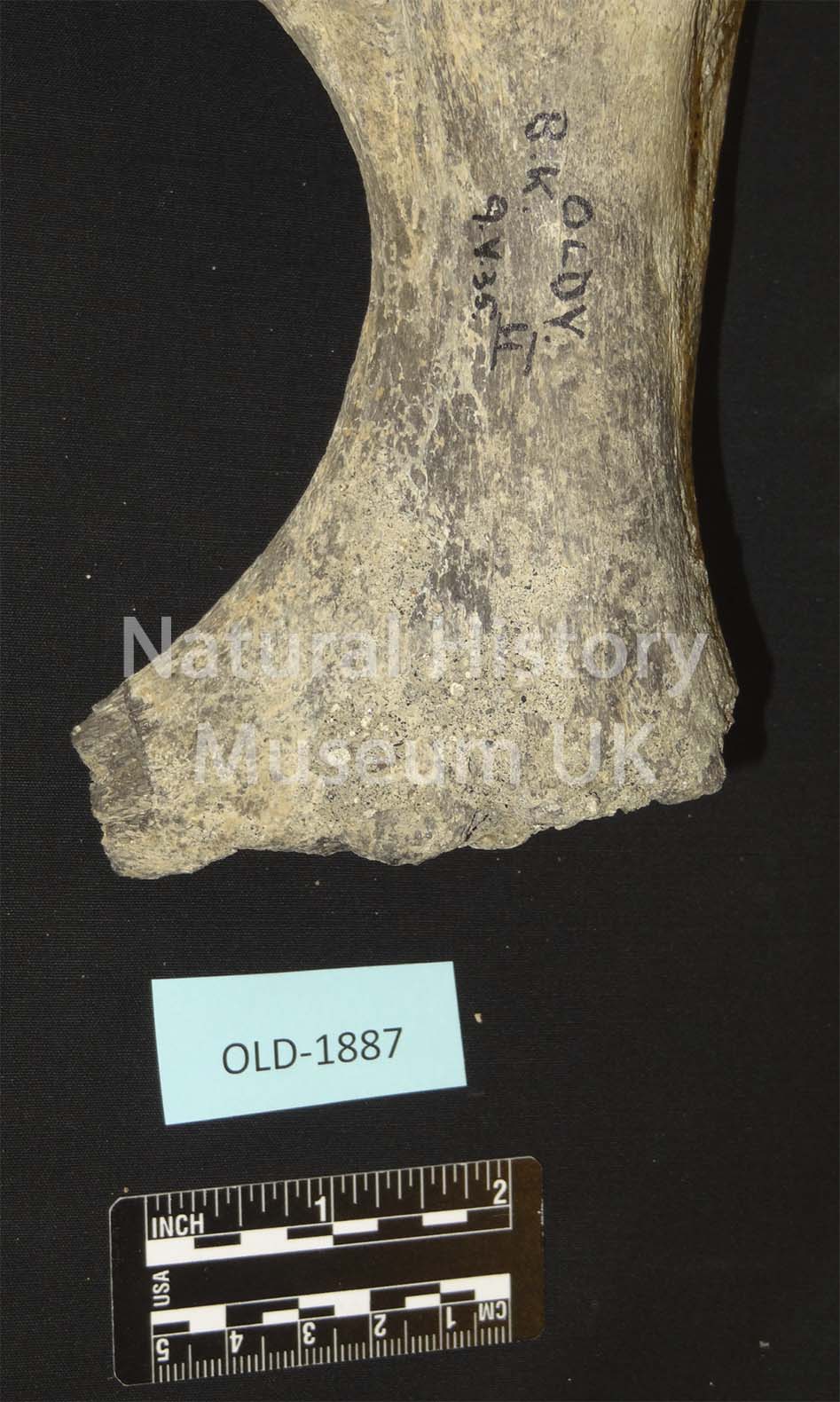
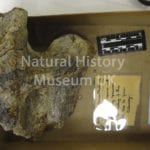
OLD-1887; os coxae-f |
|
|
|
Unknown |
|
Mammalia |
|
|
|
|
|
|
|
|
|
|
large mammal |
Unknown |
 |
OLD-119 |
12409 |
|
|
CRA-f |
|
114 - Natural History Museum UK |
|
|
|
-- |
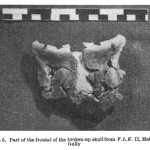
OLD-119; based on note with specimen, may not be from Olduvai |
|
|
|
Unknown |
|
Mammalia |
|
|
|
|
|
|
|
|
|
|
large mammal |
Yes |
 |
OH 16 |
3731 |
72 - FLK Maiko Gully |
283 - 45 |
CRA-f
, TOOTH
, MAN
, |
1963 |
122 - National Museum and House of Culture, Dar es Salaam, Tanzania |
II |
base |
| Leakey MD. (1971) Olduvai Gorge, Vol. 3: excavations in Beds I & II 1960-1963. New York, NY: Cambridge University Press. |
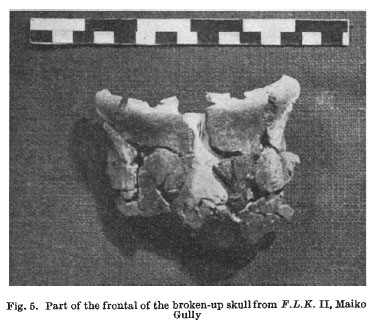
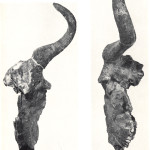
Upper and lower dentition, calotte, and > 1500 unidentified fragments due to cattle trampling. Majority of fragments found on surface of Tuff IF, some teeth found in situ, 2 feet above Tuff IF. Specimen previously housed at National Museum of Kenya. |
154 - Leakey and Leakey |
|
264 - Leakey family expedition |
No |
|
Mammalia |
Primates |
Anthropoidea |
Haplorhini |
Hominoidea |
Hominidae |
Homininae |
Hominini |
Homo |
habilis |
|
Leakey LSB, 1964 refers to this specimen as Homo erectus. Leakey, Tobias, and Napier provisionally assign it to Homo habilis (referred material, not paratype) (1964), and Leakey MD, 1971 refers to it as cf. Australopithecus. |
Yes |
 |
M. 21447 |
181 |
23 - TK |
|
CRA, L/R-MAX-f, L-HOR, L/R-P, L/R-M, L/R-I |
1931 |
106 - Natural History Museum UK (?) |
III, IV |
|
4 feet below Masek Beds |
Leakey LSB. 1965. Olduvai Gorge 1951-1961, Volume 1: Fauna and Background. New York, NY: Cambridge University Press. |
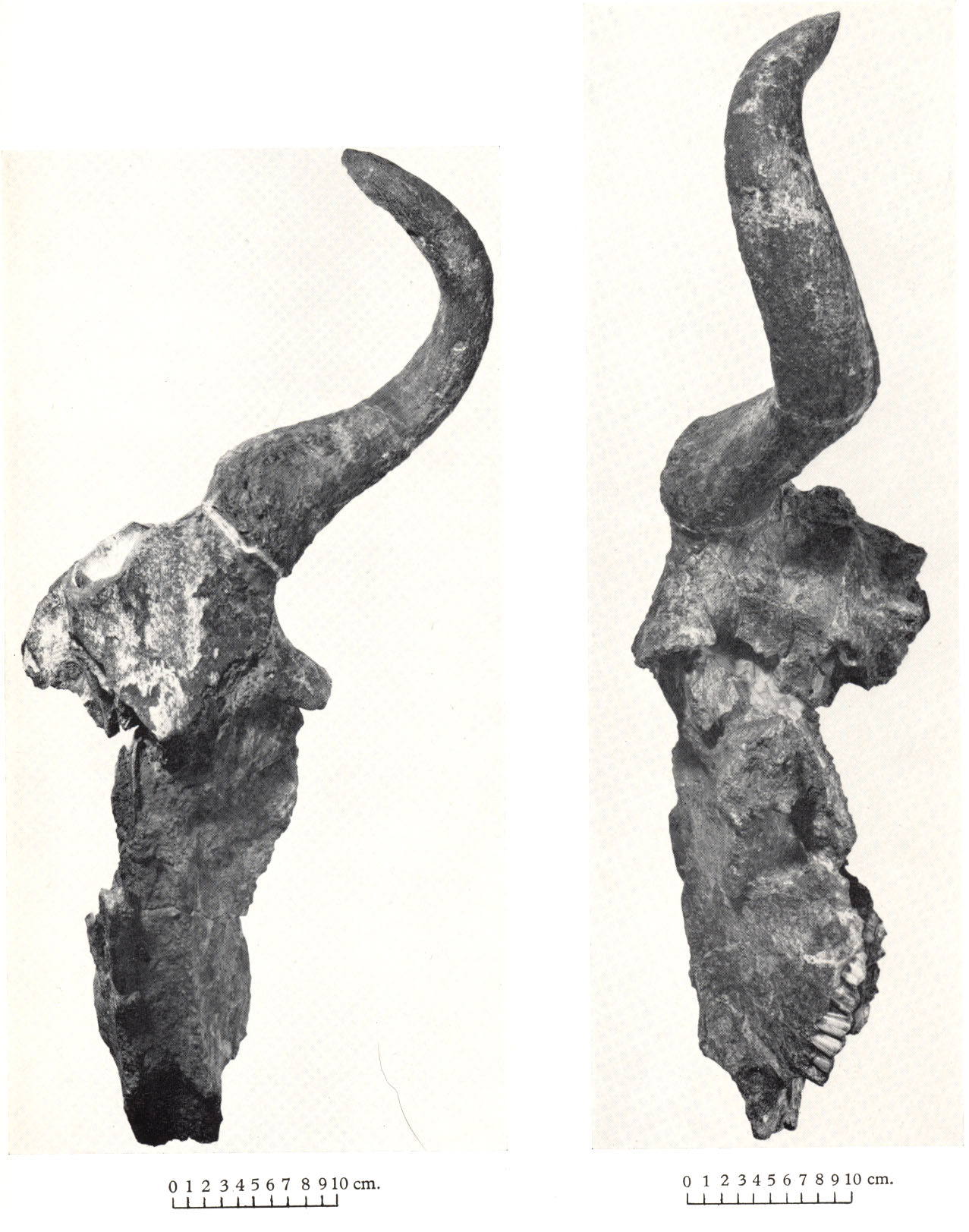
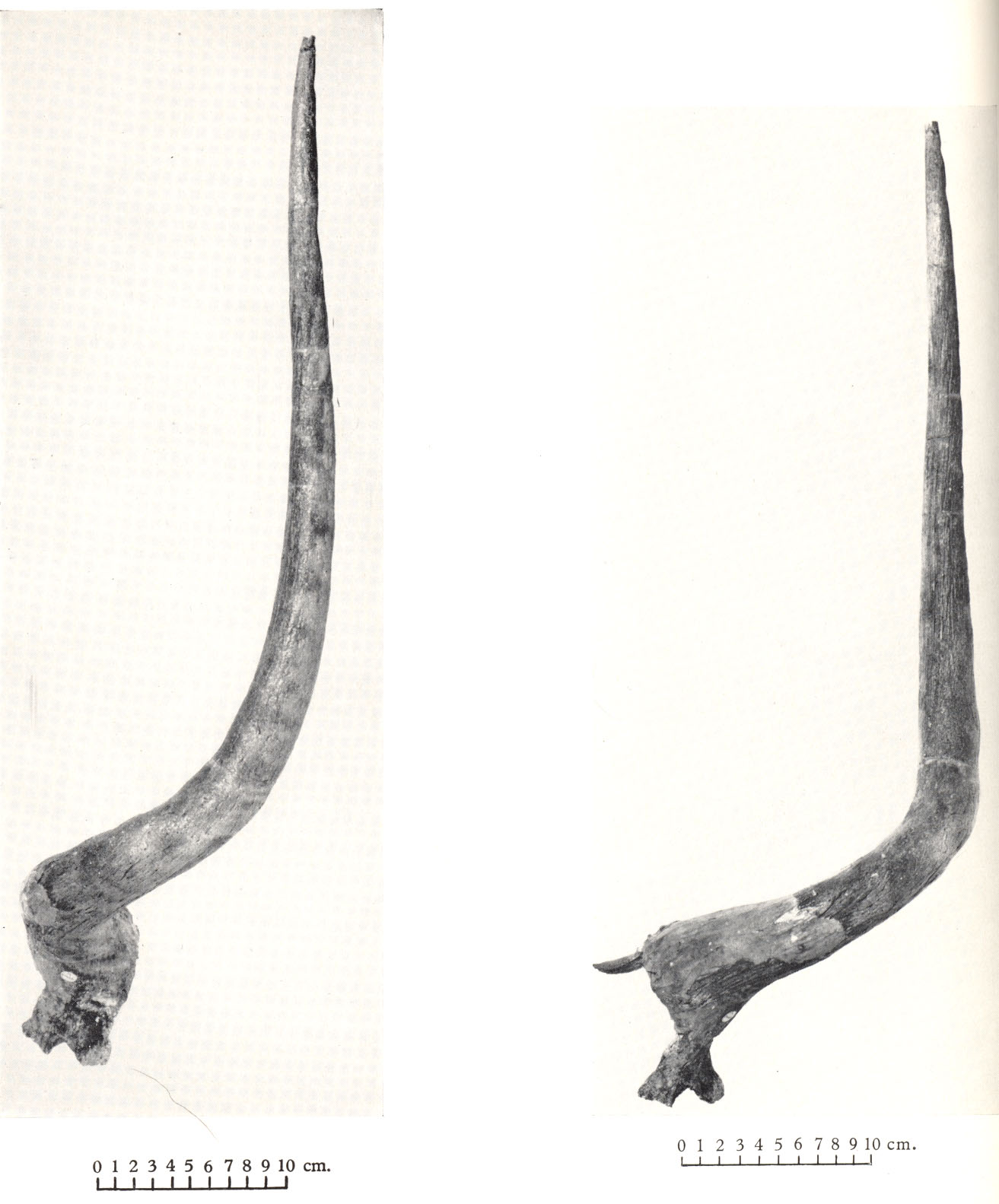
This neotype specimen is pictured in plates 81 and 82. The original holotype of M. kattwinkelli (VI-1099) was lost in WWII in Munich. |
130 - L.S.B. Leakey |
|
264 - Leakey family expedition |
Unknown |
|
Mammalia |
Artiodactyla |
Ruminantia |
|
Bovoidea |
Bovidae |
Alcelaphinae |
Alcelaphini |
Xenocephalus |
kattwinkelli |
|
Neotype - This specimen was reclassified by Gentry and Gentry (1978) as Megalotragus kattwinkeli. |
No |
 |
OH 68 |
3783 |
18 - VEK |
|
Mand-f, R-P-f |
2001 |
127 - National Natural History Museum, Arusha, Tanzania |
II |
Lower |
|
|
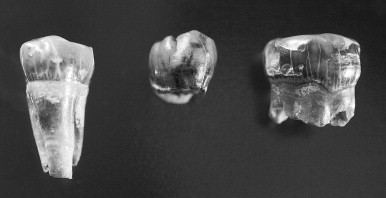
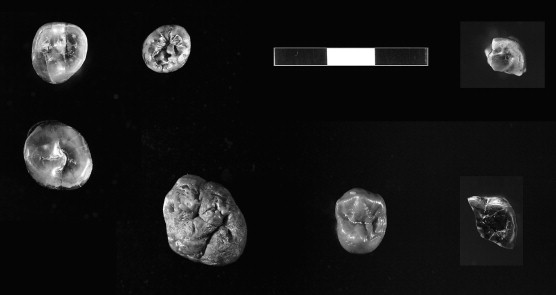
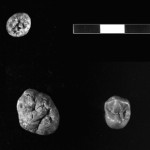
Mandible fragment with unerupted P4 and root of M1.�Specimen is pictured in the middle in image 1.�Specimen is shown in the middle of the top row in image 2. |
|
|
|
Yes |
|
Mammalia |
Primates |
Anthropoidea |
Haplorhini |
Hominoidea |
Hominidae |
|
|
Australopithecus |
africanus |
|
OH 13-like |
No |
 |
OH 70 |
3785 |
80 - MCK |
|
L-M-f |
2002 |
127 - National Natural History Museum, Arusha, Tanzania |
II |
Lower |
|
|
Distrobuccal portion of upper M1 crown.�Specimen is pictured on bottom right of image 1. |
|
|
|
Yes |
|
Mammalia |
Primates |
Anthropoidea |
Haplorhini |
Hominoidea |
Hominidae |
|
|
Australopithecus |
africanus |
|
OH 24-like |
No |
|
OH 78 |
3793 |
10 - BK |
|
H-f |
2007 |
127 - National Natural History Museum, Arusha, Tanzania |
II |
Lower-Middle? |
Surface. |
OLAPP/Earthwatch”Discovered by an Earthwatch project led by F.T. Masao in 2003 and 2004, respectively, and will be described elsewhere.” -R. Clarke (2011) |
Humerus shaft, subaerial weathering. |
|
|
|
No |
|
Mammalia |
Primates |
Anthropoidea |
Haplorhini |
Hominoidea |
Hominidae |
|
|
Australopithecus |
africanus |
|
OH 75-like |
No |
|
OVPP-Erinaceus 94 |
1944 |
7 - FLK North |
|
MAX-f, P, M |
|
104 - Unknown |
I |
upper |
3 |
Butler, P., and Greenwood, M. 1973. The early Pleistocene hedgehogs from Olduvai, Tanzania. Fossil vertebrates of Africa 3:7-42. |
|
150 - Butler and Greenwood |
|
|
Unknown |
|
Mammalia |
Lipotyphya |
|
|
Erinaceoidea |
Erinaceidae |
Erinaceinae |
|
Erinaceus |
broomi |
|
Order has more recently been determined as Insectivora |
No |
 |
OLD-1924 |
13238 |
|
|
UK-f |
|
114 - Natural History Museum UK |
|
|
|
-- |
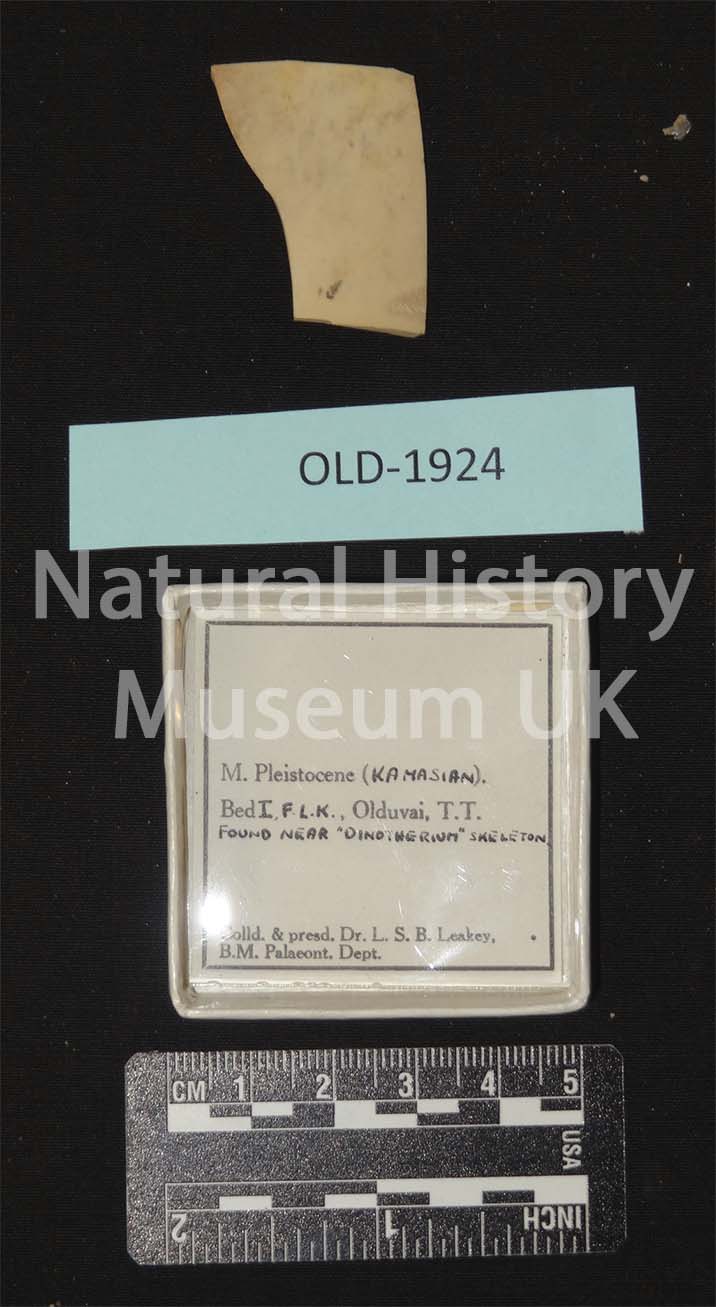
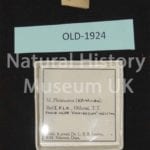
OLD-1924; egg fragment? |
|
|
|
Unknown |
|
|
|
|
|
|
|
|
|
|
|
|
ostrich egg? |
Unknown |
|
OLD 1960 F200 |
3714 |
5 - FLK |
|
R-MAN-f, d-P, M |
1960 |
105 - National Museum and House of Culture, Dar es Salaam, Tanzania (?) |
I |
|
|
Harris, J. M., Solounias, N., and Geraads, D. 2010. Giraffoidea. Werdelin, L., Sanders, W. J., eds. In: Cenozoic Mammals of Africa. London: University of California Press. pp. 393-428. |
Original information indicated that this specimen was located in Nairobi. This specimen is likely within the material that was repatriated to Dar in 2011, but this has yet to be confirmed. |
155 - Harris, Solounias, and Geraads |
|
264 - Leakey family expedition |
Unknown |
|
Mammalia |
Artiodactyla |
Ruminantia |
|
Giraffoidea |
Giraffidae |
Giraffinae |
Giraffini |
Giraffa |
pygmaea |
|
Paratype |
No |
 |
OH 8 |
3723 |
6 - FLK NN |
283 - 45 |
PHX
, CAR
, TAR
, CLA
, AST
, CAL
, CUNE
, CUB
, NAV
, M-f |
1960 |
122 - National Museum and House of Culture, Dar es Salaam, Tanzania |
I |
3 |
|
Leakey MD. (1971) Olduvai Gorge, Vol. 3: excavations in Beds I & II 1960-1963. New York, NY: Cambridge University Press. |
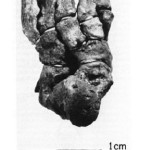
The molar-f was found on the surface and "probably also belongs to OH 8" (Leakey MD, 1971:228). Twelve associated foot bones including astragalus (has carnivore tooth marks (Leakey MD, 1971), calcaneus, cuboid and navicular, cuneiforms 1- 3, proximal ends with shafts, five metatarsals. Proximal ends of one metacarpal and three finger phalanges. One radius shaft. Clavicle with damaged articular ends. Foot articulates "almost perfectly with the OH 35 leg" (Susman, 1983:372). |
130 - L.S.B. Leakey |
|
264 - Leakey family expedition |
Yes |
|
Mammalia |
Primates |
Anthropoidea |
Haplorhini |
Hominoidea |
Hominidae |
Homininae |
Hominini |
Homo |
habilis |
|
Paratype |
No |
 |
OH 13 |
3728 |
27 - MNK |
287 - 88 "Skull Site" |
MAN
, MAX
, CRA-f |
1963 |
122 - National Museum and House of Culture, Dar es Salaam, Tanzania |
II |
Lower Middle IIB |
5 feet above chert horizon |
|
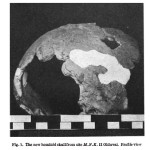
Paratpye. "This consists of a sub-adult skull, probably female, with the third molars coming into wear. It is represented by the greater part of the mandible, including the complete dentition, although the crowns of the incisors are damaged and the left ascending ram us is not preserved; the greater part of the maxillae, represented by two fragments both lacking the anterior portions; the greater part of the occipital; the right parietal and temporal; parts of the left parietal and temporal; together with a few frontal fragments and approximately fifty additional pieces which it has not been possible to fit together" (Leakey MD, 1971:231). Specimen previously housed at National Museum of Kenya. 5 pieces found at House of Culture, Dar es Salaam, Tanzania. |
130 - L.S.B. Leakey |
|
264 - Leakey family expedition |
Yes |
|
Mammalia |
Primates |
Anthropoidea |
Haplorhini |
Hominoidea |
Hominidae |
Homininae |
Hominini |
Homo |
habilis |
|
Paratype |
No |
 |
1957.56 P.P.T.3 |
139 |
18 - VEK |
|
CRA-f, L/R-HOR |
1957 |
105 - National Museum and House of Culture, Dar es Salaam, Tanzania (?) |
I |
upper |
Upper Villafranchian |
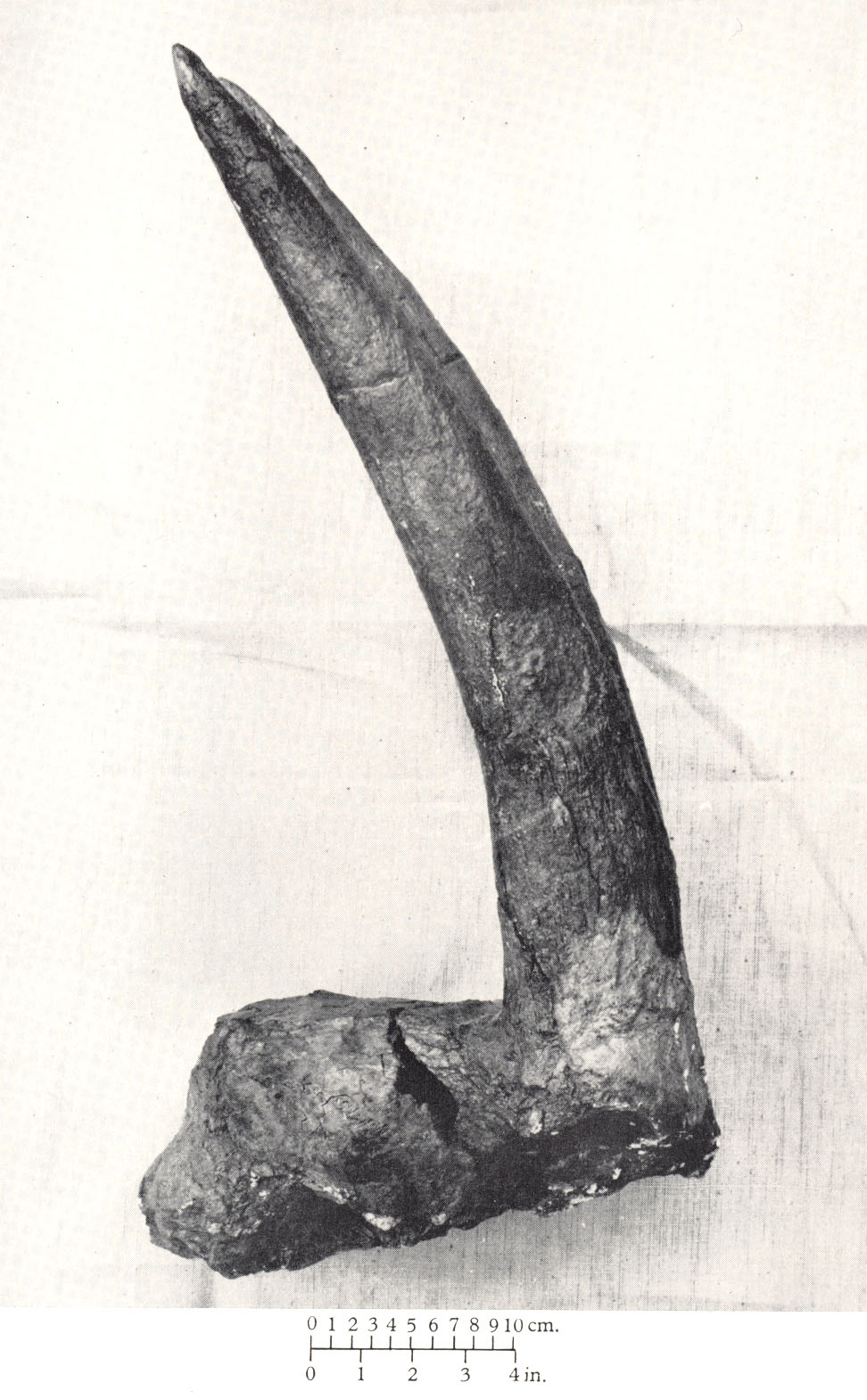
Leakey LSB. 1965. Olduvai Gorge 1951-1961, Volume 1: Fauna and Background. New York, NY: Cambridge University Press. |
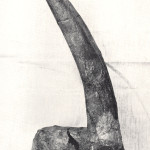
This specimen is pictured in plates 59 and 60. It is from a female. Original information indicated that this specimen was located in Nairobi. This specimen is likely within the material that was repatriated to Dar in 2011, but this has yet to be confirmed. |
130 - L.S.B. Leakey |
|
264 - Leakey family expedition |
Yes |
|
Mammalia |
Artiodactyla |
Ruminantia |
|
Bovoidea |
Bovidae |
Hippotraginae |
Hippotragini |
Hippotragus |
gigas |
|
Paratype |
No |
 |
M. 21446 |
179 |
|
|
L-HOR-f, CRA-f |
1935 |
106 - Natural History Museum UK (?) |
I |
|
Upper Villafranchian |
Leakey LSB. 1965. Olduvai Gorge 1951-1961, Volume 1: Fauna and Background. New York, NY: Cambridge University Press. |
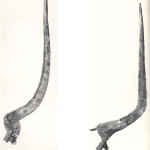
This specimen is pictured in plate 80. Additional specimens have been found at FLK N I. |
130 - L.S.B. Leakey |
|
264 - Leakey family expedition |
Unknown |
|
Mammalia |
Artiodactyla |
Ruminantia |
|
Bovoidea |
Bovidae |
Alcelaphinae |
Alcelaphini |
Beatragus |
antiquus |
|
Paratype |
No |
|
M. 14687 |
1350 |
|
|
TIB-f, FEM-f, FIB-f |
|
106 - Natural History Museum UK (?) |
I |
|
|
Hopwood, A. 1934. New fossil mammals from Olduvai, Tanganyika territory. Annals of the Magazine of Natural History. 10: 546-550. |
This specimen is described as a "partial hind-limb". Whether it is a tibia, femur, or fibula is unknown. |
293 - A.T. Hopwood |
|
|
Unknown |
|
Mammalia |
Artiodactyla |
Ruminantia |
|
Giraffoidea |
Giraffidae |
|
|
Helladotherium |
olduvaiensis |
|
Paratype |
No |
|
M. 14948 |
126 |
|
|
CRA-f, L-HOR-f |
|
106 - Natural History Museum UK (?) |
II |
|
|
Leakey LSB. 1965. Olduvai Gorge 1951-1961, Volume 1: Fauna and Background. New York, NY: Cambridge University Press. |
|
130 - L.S.B. Leakey |
|
264 - Leakey family expedition |
Unknown |
|
Mammalia |
Artiodactyla |
Ruminantia |
|
Bovoidea |
Bovidae |
Bovinae |
Bovini |
Bularchus |
arok |
|
Paratype - Gentry and Gentry (1978a) renamed this specimen as P. oldowayensis. |
No |
 |
M. 21428 |
160 |
18 - VEK |
|
CRA, L/R-HOR-f |
1935 |
106 - Natural History Museum UK (?) |
II |
|
|
Leakey LSB. 1965. Olduvai Gorge 1951-1961, Volume 1: Fauna and Background. New York, NY: Cambridge University Press. |
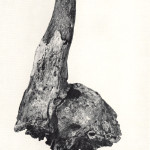
This specimen is pictured in plates 68 and 69. The specimen has VEK II written on it but it is registered as VEK I. |
138 - E. Schwarz |
|
264 - Leakey family expedition |
Yes |
|
Mammalia |
Artiodactyla |
Ruminantia |
|
Bovoidea |
Bovidae |
Alcelaphinae |
Alcelaphini |
Damaliscus |
angusticornis |
|
Paratype - This specimen was reclassified by Gentry and Gentry (1978) as Parmularius angusticornis. |
No |
 |
M. 14553 |
152 |
|
|
FRO-f, HOR-f |
1931 |
106 - Natural History Museum UK (?) |
II |
|
|
Leakey LSB. 1965. Olduvai Gorge 1951-1961, Volume 1: Fauna and Background. New York, NY: Cambridge University Press. |
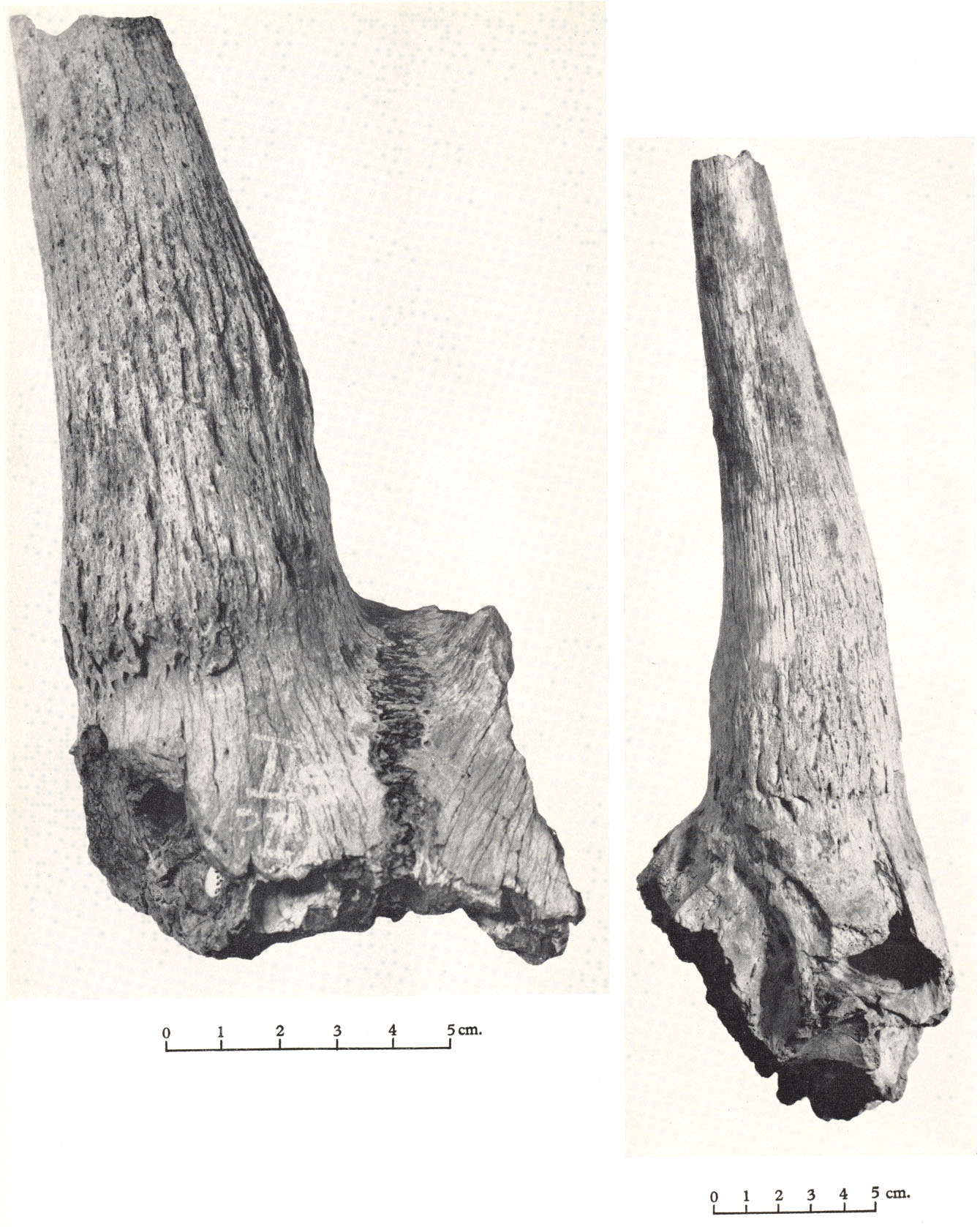
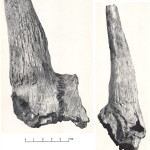
This paratype was first described by Schwartz (1937) and is pictured in plate 63. It was excavated by Reck between 1931 and 1935.This specimen is used as the holotype as the original was destroyed in Munich in WWII. |
138 - E. Schwarz |
|
273 - Reck expedition |
No |
|
Mammalia |
Artiodactyla |
Ruminantia |
|
Bovoidea |
Bovidae |
Alcelaphinae |
Alcelaphini |
Damaliscus |
angusticornis |
|
Paratype (Holotype) - This specimen was reclassified by Gentry and Gentry (1978) as Parmularius angusticornis. |
No |
|
M. 14685 |
1347 |
|
|
L-MAN-f, L-M |
|
106 - Natural History Museum UK (?) |
II |
|
|
Hopwood, A. 1934. New fossil mammals from Olduvai, Tanganyika territory. Annals of the Magazine of Natural History. 10: 546-550. |
|
293 - A.T. Hopwood |
|
|
Unknown |
|
Mammalia |
Artiodactyla |
Suiformes |
|
Suoidea |
Suidae |
Tetraconodontinae |
|
Notochoerus |
dietrichi |
|
Paratype-�This specimen was referred to as the holotype by Bishop (2010). Bishop also reclassified this sepcimen as Metridiochoerus hopwoodi. |
No |
 |
OH 6 |
3721 |
5 - FLK |
283 - 45 |
CRA-f
, M-f
, L-P
, L-TIB-f
, L-FIB-f
, |
1959/60 |
122 - National Museum and House of Culture, Dar es Salaam, Tanzania |
I |
Middle (Zinj.) |
Surface. Cranial and dental fragments found in surface soil from slope immediately below Zinj. site; assumed to be from Zinj. level (Leakey, MD, 1971:227). TIB-f and FIB-f from Zinj. level. |
Davis, P. R. 1964. Hominid fossils from Bed I, Olduvai Gorge, Tanganyika. A tibia and fibula. Nature. 201, 967. |
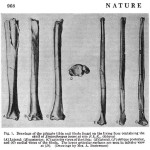
From Tobias (1991): OH 35 tibia and fibula attributed to same individual as OH 6 but appear to be more mature. It is unclear if OH 35 tibia and fibula are the same tibia and fibula originally listed under OH 6. Leakey, MD, 1971 describes CRA and dental fragments as having been found in surface soil, but Leakey, Tobias, and Napier, 1964 state "some [were] found in situ [and] some on the surface" (:9). Unworn lower L-P3. Partially developed roots of upper M1 or 2. Six cranial vault fragments. Tibia and fibula fragments first assumed to be associated with Zinjanthropus OH5, but should be considered associates with OH 6 following morphological study (Leakey, MD, 1971:227). and skull fragments. Juvenile. Specimen previously housed at National Museum of Kenya. |
|
|
264 - Leakey family expedition |
Unknown |
|
Mammalia |
Primates |
Anthropoidea |
Haplorhini |
Hominoidea |
Hominidae |
Homininae |
Hominini |
Homo |
habilis |
|
Paratype. TIB-f and FIB-f not given taxonomic designation in original publication (Davis, 1964) but named as a paratype in Leakey, Tobias, and Napier, 1964. |
No |
 |
OLD-697 |
12805 |
317 - MRK S |
|
L-M-f |
|
114 - Natural History Museum UK |
II |
|
|
-- |
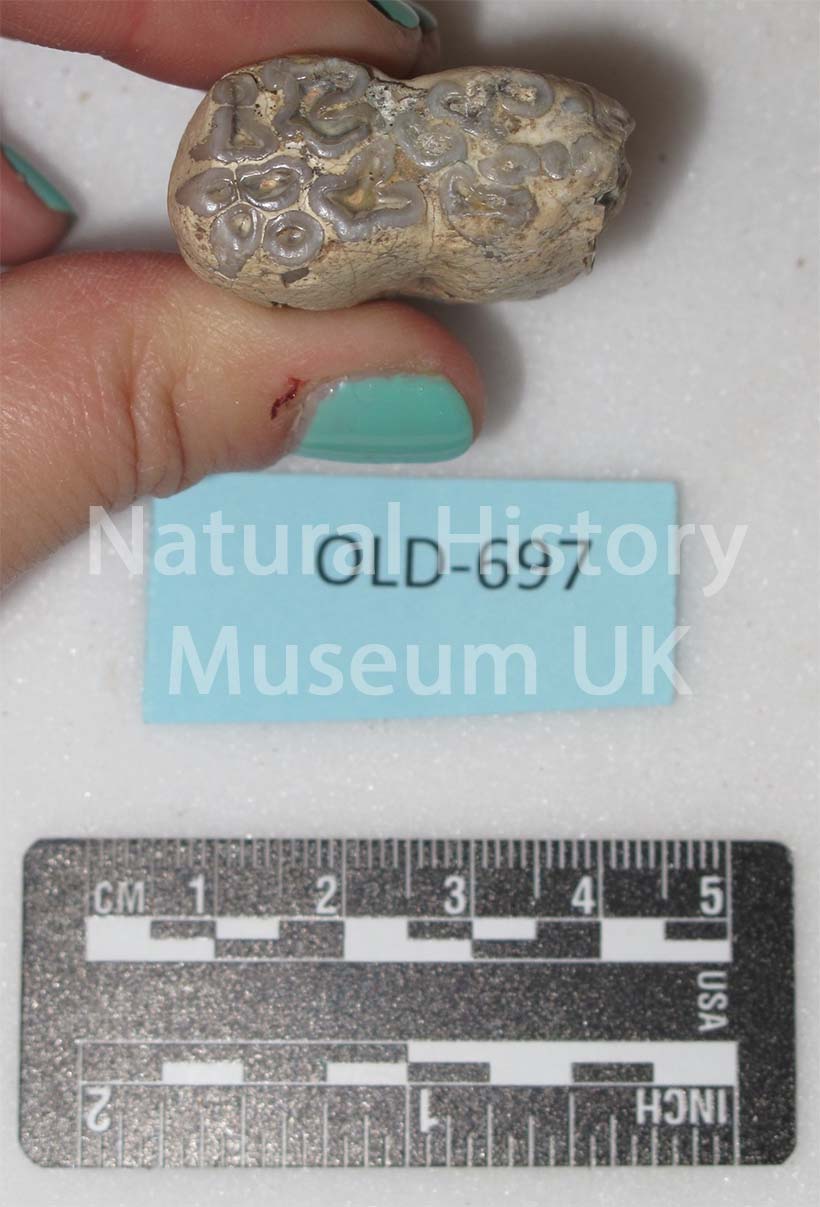
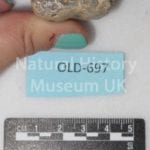
OLD-697; left mesial fragment of upper M3; MRK IIS 21.5.35 |
|
|
|
Unknown |
|
Mammalia |
Artiodactyla |
Suiformes |
|
Suoidea |
Suidae |
Suinae |
Phacochoerini |
Metridiochoerus |
|
|
previous taxonomic ID Tapinochoerus meadowsi |
No |
 |
OLD-829 |
12921 |
40 - JK |
|
R-M-f |
|
114 - Natural History Museum UK |
III |
|
|
-- |
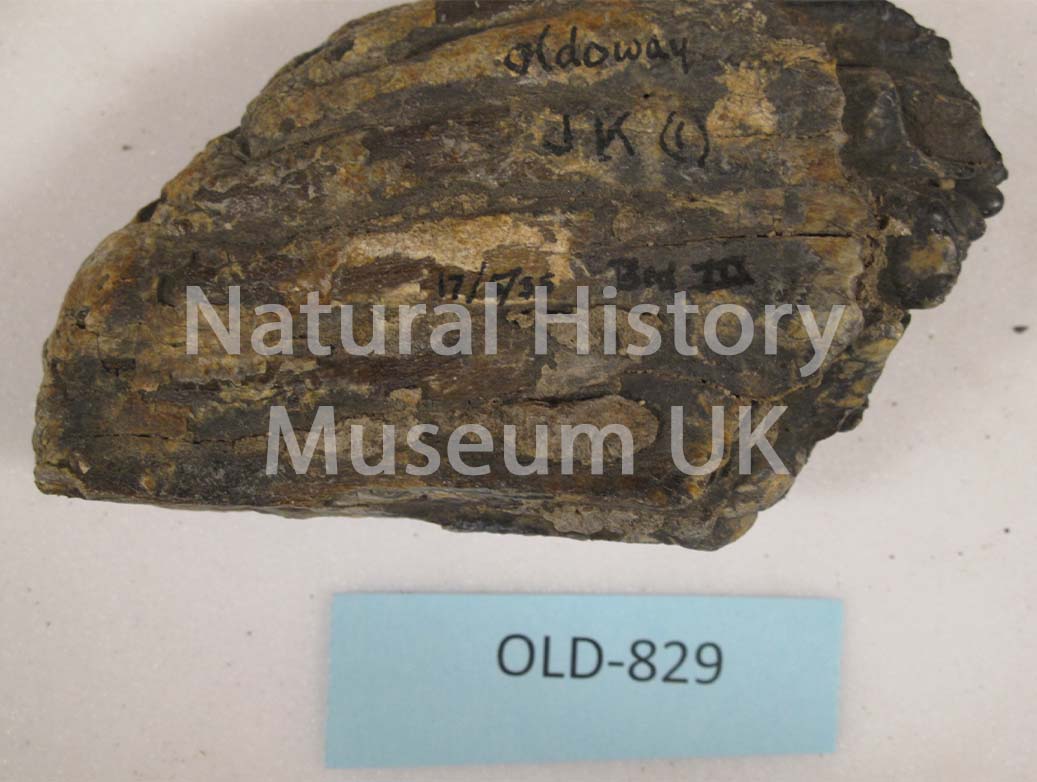
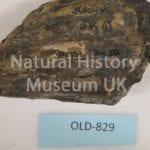
OLD-829; distal fragment of right upper M3 |
|
|
|
Unknown |
|
Mammalia |
Artiodactyla |
Suiformes |
|
Suoidea |
Suidae |
Suinae |
Phacochoerini |
Metridiochoerus |
|
|
previous taxonomic ID: Tapinochoerus meadowsi |
No |
 |
OLD-117 |
12407 |
|
|
MAX-f with teeth |
|
114 - Natural History Museum UK |
|
|
|
-- |
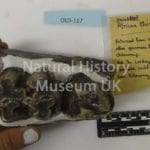
OLD-117; based on note with specimen, may not be from Olduvai |
|
|
|
Unknown |
|
Mammalia |
|
|
|
|
|
|
|
|
|
|
Rhino or Hippo |
Yes |
|
OH 2 |
3718 |
27 - MNK |
279 - 88 |
CRA-f |
1935 |
106 - Natural History Museum UK (?) |
III/IV |
Lowest horizon of Bed IVa. |
Surface. Found at head of MNK Gully where Beds II and IV are exposed. |
Leakey MD. (1971) Olduvai Gorge, Vol. 3: excavations in Beds I & II 1960-1963. New York, NY: Cambridge University Press. |
Two cranial vault fragments. Specimen previously housed at National Museum of Kenya. Not found at House of Culture, Dar es Salaam, Tanzania. |
142 - M. D. Leakey |
|
264 - Leakey family expedition |
No |
|
Mammalia |
Primates |
Anthropoidea |
Haplorhini |
Hominoidea |
Hominidae |
Homininae |
Hominini |
Homo |
erectus |
|
Similar to OH 9 and OH 12. |
No |
|
OH 34 |
3749 |
76 - JK W |
|
FEM
, TIB-f |
1962 |
122 - National Museum and House of Culture, Dar es Salaam, Tanzania |
III/ IV |
for Bed IV level = a |
|
Leakey MD. (1971) Olduvai Gorge, Vol. 3: excavations in Beds I & II 1960-1963. New York, NY: Cambridge University Press. |
Femur described as "slender" (Leakey MD, 1971) and shaft of tibia. Specimen previously housed at National Museum of Kenya. |
|
|
264 - Leakey family expedition |
Yes |
|
Mammalia |
Primates |
Anthropoidea |
Haplorhini |
Hominoidea |
Hominidae |
Homininae |
Hominini |
Homo |
sp. |
|
Slender bone |
No |
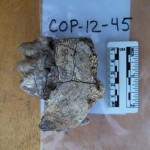 |
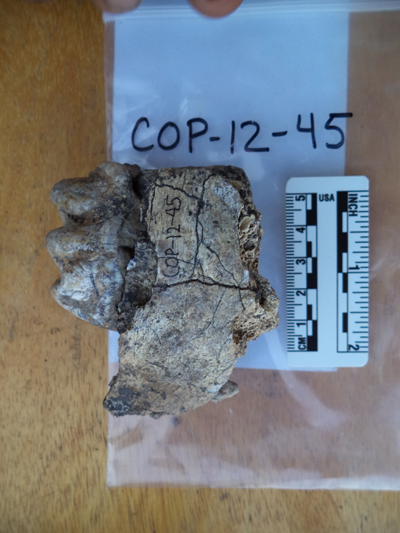
COP-12-45 |
9630 |
|
|
L-MAN-f, L-M |
|
126 - Mary Leakey Camp, Antiquities Station Olduvai Gorge, Tanzania |
|
|
|
-- |
Left mandibular fragment with M3. Stratigraphy unknown. |
157 - L. Hlusko |
2013/06/21 |
254 - COP |
Unknown |
Y |
Mammalia |
Artiodactyla |
Suiformes |
|
Hippopotamoidea |
Hippopotamidae |
|
|
|
|
|
Small |
No |
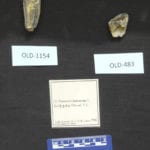 |
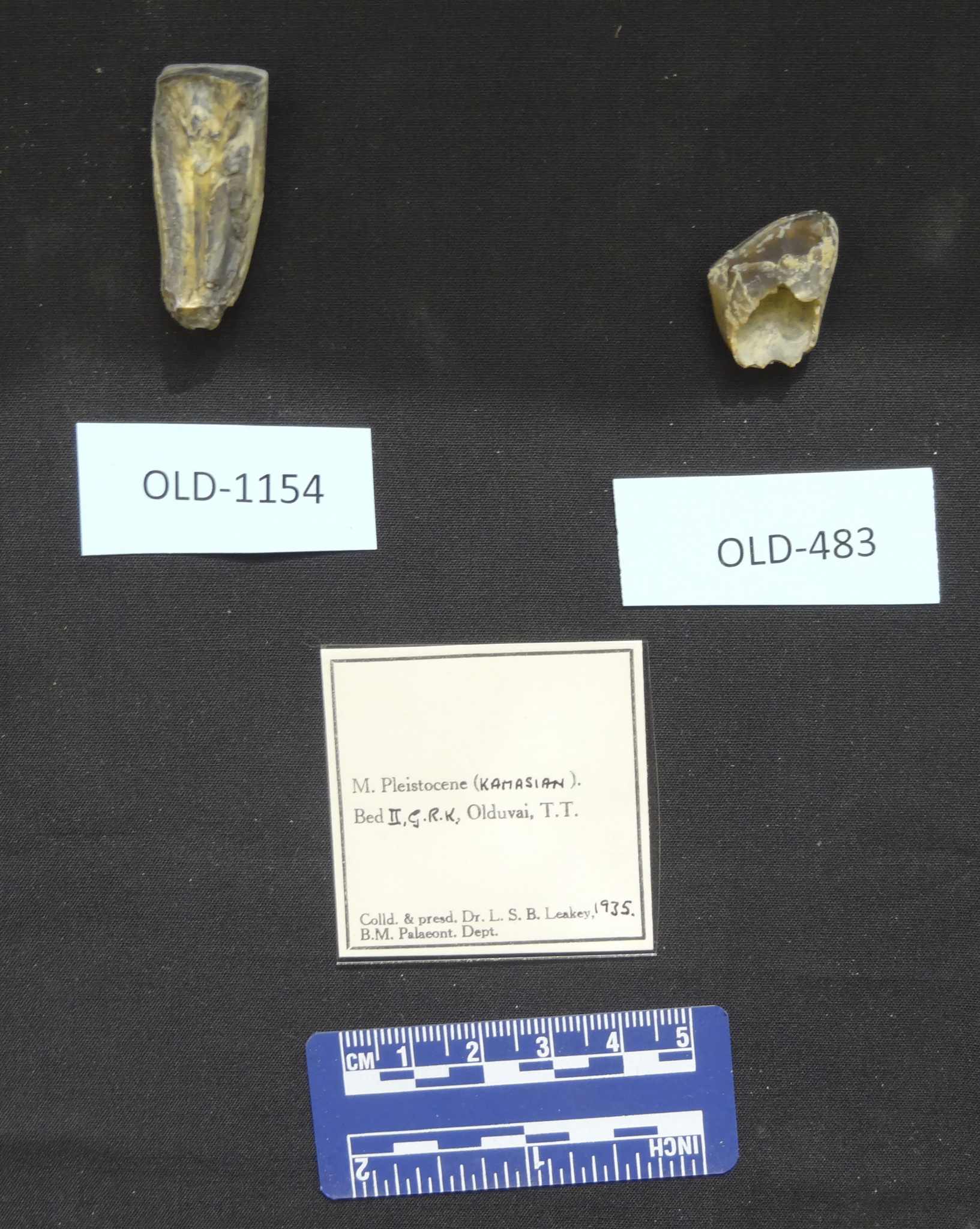
M 104172 |
13070 |
|
|
I-f |
|
114 - Natural History Museum UK |
|
|
|
-- |
OLD-1154 |
|
|
|
Unknown |
|
Mammalia |
|
|
|
|
|
|
|
|
|
|
Suidae or Equidae |
Yes |
|
M 103925 |
12686 |
|
|
L/R-FRLT, NRCR-f |
|
114 - Natural History Museum UK |
|
|
|
-- |
OLD-512; R/L-FRLT and braincase-f |
|
|
|
Unknown |
|
Mammalia |
Artiodactyla |
Ruminantia |
|
Bovoidea |
Bovidae |
Bovinae |
Tragelaphini |
|
|
|
Taurotragus or Tragelaphus (cf. T. strepsicerus) |
Unknown |
|
M. 14517 |
728 |
|
|
L-HOR-f |
1931 |
106 - Natural History Museum UK (?) |
I |
|
|
Gentry, A. W., and Gentry, A. 1978. Fossil Bovidae (Mammalia) of Olduvai Gorge, Tanzania. Part I. Bulletin of the British Museum (Natural History): Geology 29:289-446. |
|
137 - A. Gentry |
|
|
Unknown |
|
Mammalia |
Artiodactyla |
Ruminantia |
|
Bovoidea |
Bovidae |
Bovinae |
Tragelaphini |
Tragelaphus |
|
|
The author indicates this kudu specimen is too fragmented to be assigned to subspecies. |
No |
|
M. 21479 |
729 |
|
|
L-HOR-f |
|
106 - Natural History Museum UK (?) |
|
|
|
Gentry, A. W., and Gentry, A. 1978. Fossil Bovidae (Mammalia) of Olduvai Gorge, Tanzania. Part I. Bulletin of the British Museum (Natural History): Geology 29:289-446. |
|
137 - A. Gentry |
|
|
Unknown |
|
Mammalia |
Artiodactyla |
Ruminantia |
|
Bovoidea |
Bovidae |
Bovinae |
Tragelaphini |
Tragelaphus |
|
|
The author indicates this kudu specimen is too fragmented to be assigned to subspecies. |
No |
|
M. 21480 |
730 |
|
|
HOR-f |
1931 |
106 - Natural History Museum UK (?) |
|
|
|
Gentry, A. W., and Gentry, A. 1978. Fossil Bovidae (Mammalia) of Olduvai Gorge, Tanzania. Part I. Bulletin of the British Museum (Natural History): Geology 29:289-446. |
|
137 - A. Gentry |
|
|
Unknown |
|
Mammalia |
Artiodactyla |
Ruminantia |
|
Bovoidea |
Bovidae |
Bovinae |
Tragelaphini |
Tragelaphus |
|
|
The author indicates this kudu specimen is too fragmented to be assigned to subspecies. |
No |
|
M. 21481 |
731 |
|
|
R-HOR-f |
|
106 - Natural History Museum UK (?) |
|
|
|
Gentry, A. W., and Gentry, A. 1978. Fossil Bovidae (Mammalia) of Olduvai Gorge, Tanzania. Part I. Bulletin of the British Museum (Natural History): Geology 29:289-446. |
|
137 - A. Gentry |
|
|
Unknown |
|
Mammalia |
Artiodactyla |
Ruminantia |
|
Bovoidea |
Bovidae |
Bovinae |
Tragelaphini |
Tragelaphus |
|
|
The author indicates this kudu specimen is too fragmented to be assigned to subspecies. |
No |
|
F490 |
3028 |
6 - FLK NN |
|
CARA-f, LIMB, PLAS-f |
|
105 - National Museum and House of Culture, Dar es Salaam, Tanzania (?) |
I |
|
|
Auffenberg, W. 1981. The fossil turtles of Olduvai Gorge, Tanzania, Africa. Copeia 1981:509-522. |
Original information indicated that this specimen was located in Nairobi. This specimen is likely within the material that was repatriated to Dar in 2011, but this has yet to be confirmed. |
152 - W. Auffenberg |
|
264 - Leakey family expedition |
Unknown |
|
Reptilia |
Testudines |
|
|
|
|
|
|
|
|
|
The author mentions there are over 3,000 fossilized turtle fragments from Olduvai Gorge, 98% of which are from the species Pelusios sinuatus. However, it is unclear which specimens belong to which species based on the description given. When it was unclear, the specimen is only referred to as belonging to the Order Testudines. |
No |
|
F626 |
3030 |
6 - FLK NN |
|
CARA-f |
|
105 - National Museum and House of Culture, Dar es Salaam, Tanzania (?) |
I |
|
|
Auffenberg, W. 1981. The fossil turtles of Olduvai Gorge, Tanzania, Africa. Copeia 1981:509-522. |
Original information indicated that this specimen was located in Nairobi. This specimen is likely within the material that was repatriated to Dar in 2011, but this has yet to be confirmed. |
152 - W. Auffenberg |
|
264 - Leakey family expedition |
Unknown |
|
Reptilia |
Testudines |
|
|
|
|
|
|
|
|
|
The author mentions there are over 3,000 fossilized turtle fragments from Olduvai Gorge, 98% of which are from the species Pelusios sinuatus. However, it is unclear which specimens belong to which species based on the description given. When it was unclear, the specimen is only referred to as belonging to the Order Testudines. |
No |
|
F4725 |
3040 |
6 - FLK NN |
|
LIMB-f |
|
105 - National Museum and House of Culture, Dar es Salaam, Tanzania (?) |
I |
|
|
Auffenberg, W. 1981. The fossil turtles of Olduvai Gorge, Tanzania, Africa. Copeia 1981:509-522. |
Original information indicated that this specimen was located in Nairobi. This specimen is likely within the material that was repatriated to Dar in 2011, but this has yet to be confirmed. |
152 - W. Auffenberg |
|
264 - Leakey family expedition |
Unknown |
|
Reptilia |
Testudines |
|
|
|
|
|
|
|
|
|
The author mentions there are over 3,000 fossilized turtle fragments from Olduvai Gorge, 98% of which are from the species Pelusios sinuatus. However, it is unclear which specimens belong to which species based on the description given. When it was unclear, the specimen is only referred to as belonging to the Order Testudines. |
No |
|
F4731 |
3046 |
6 - FLK NN |
|
CARA-f |
|
105 - National Museum and House of Culture, Dar es Salaam, Tanzania (?) |
I |
|
|
Auffenberg, W. 1981. The fossil turtles of Olduvai Gorge, Tanzania, Africa. Copeia 1981:509-522. |
Original information indicated that this specimen was located in Nairobi. This specimen is likely within the material that was repatriated to Dar in 2011, but this has yet to be confirmed. |
152 - W. Auffenberg |
|
264 - Leakey family expedition |
Unknown |
|
Reptilia |
Testudines |
|
|
|
|
|
|
|
|
|
The author mentions there are over 3,000 fossilized turtle fragments from Olduvai Gorge, 98% of which are from the species Pelusios sinuatus. However, it is unclear which specimens belong to which species based on the description given. When it was unclear, the specimen is only referred to as belonging to the Order Testudines. |
No |