 |
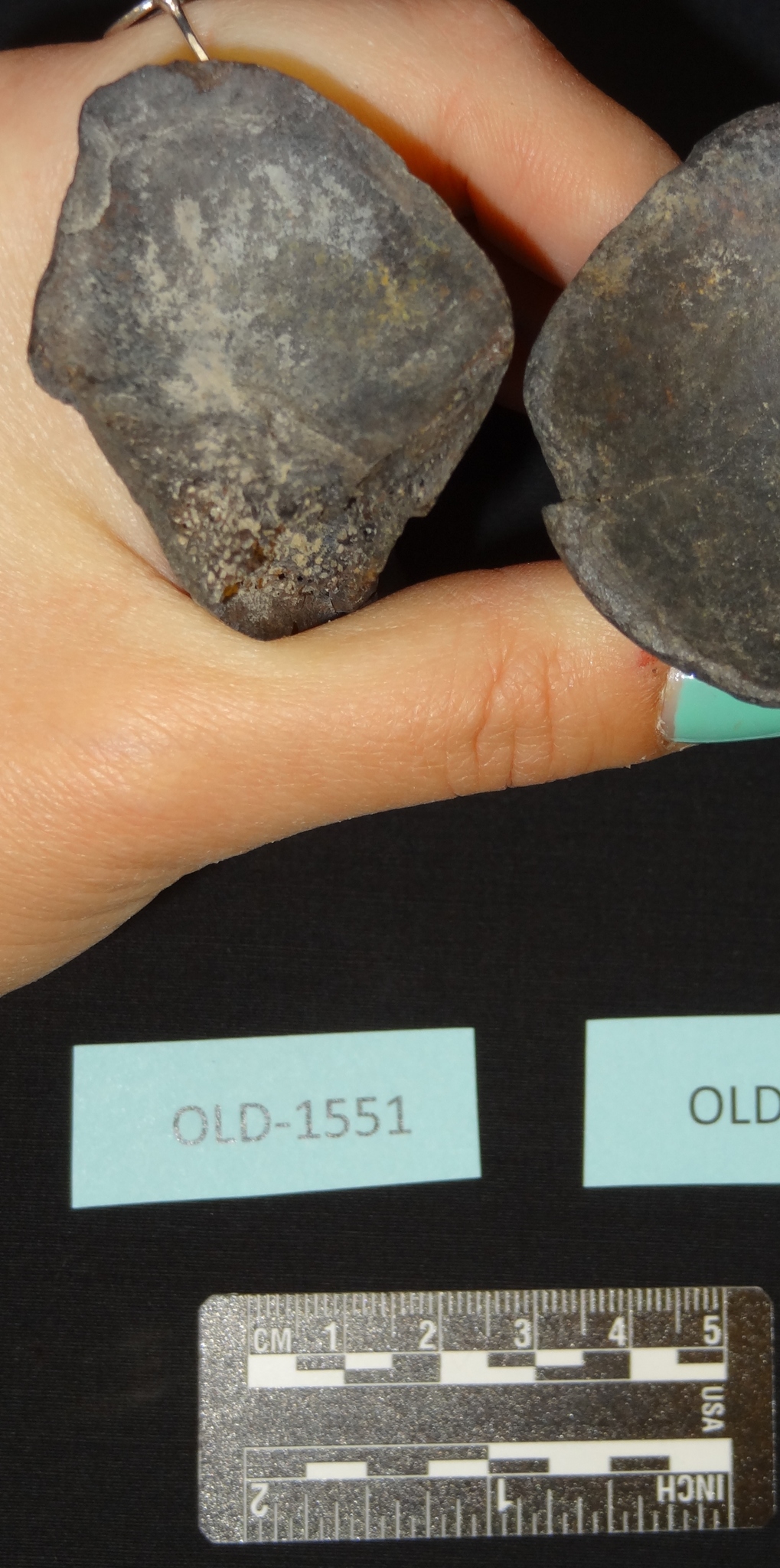
OLD-1551 |
13147 |
|
|
SCP-f |
|
114 - Natural History Museum UK |
IV |
|
|
-- |
OLD-1551; May all be from Bed IV See strat info. for OLD-1558 |
|
|
|
Unknown |
|
Mammalia |
Artiodactyla |
|
|
|
Bovidae |
|
|
|
|
|
|
No |
 |
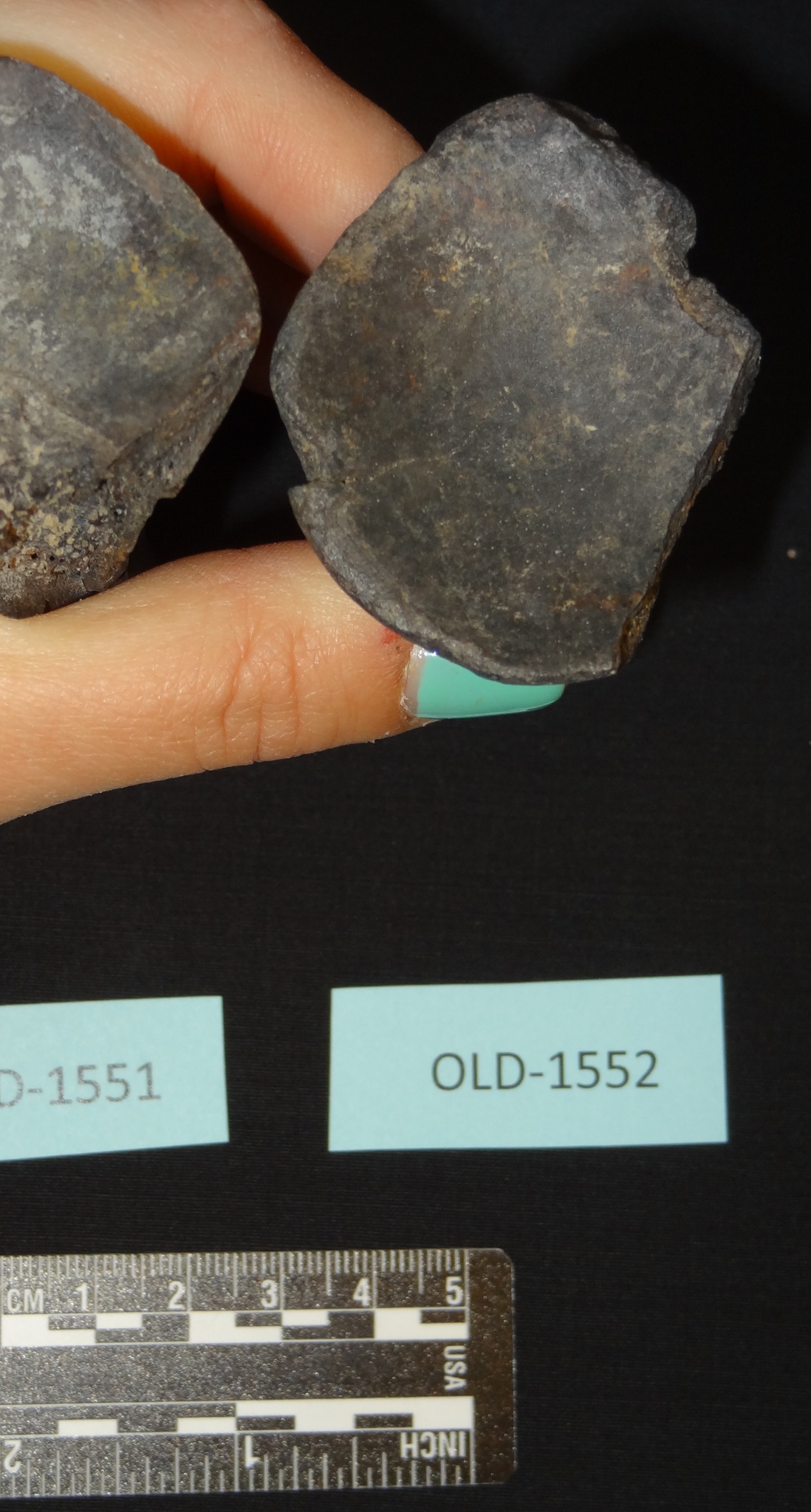
OLD-1552 |
13148 |
|
|
SCP-f |
|
114 - Natural History Museum UK |
IV |
|
|
-- |
OLD-1552; May all be from Bed IV See strat info. for OLD-1558 |
|
|
|
Unknown |
|
Mammalia |
Artiodactyla |
|
|
|
Bovidae |
|
|
|
|
|
|
No |
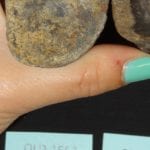 |
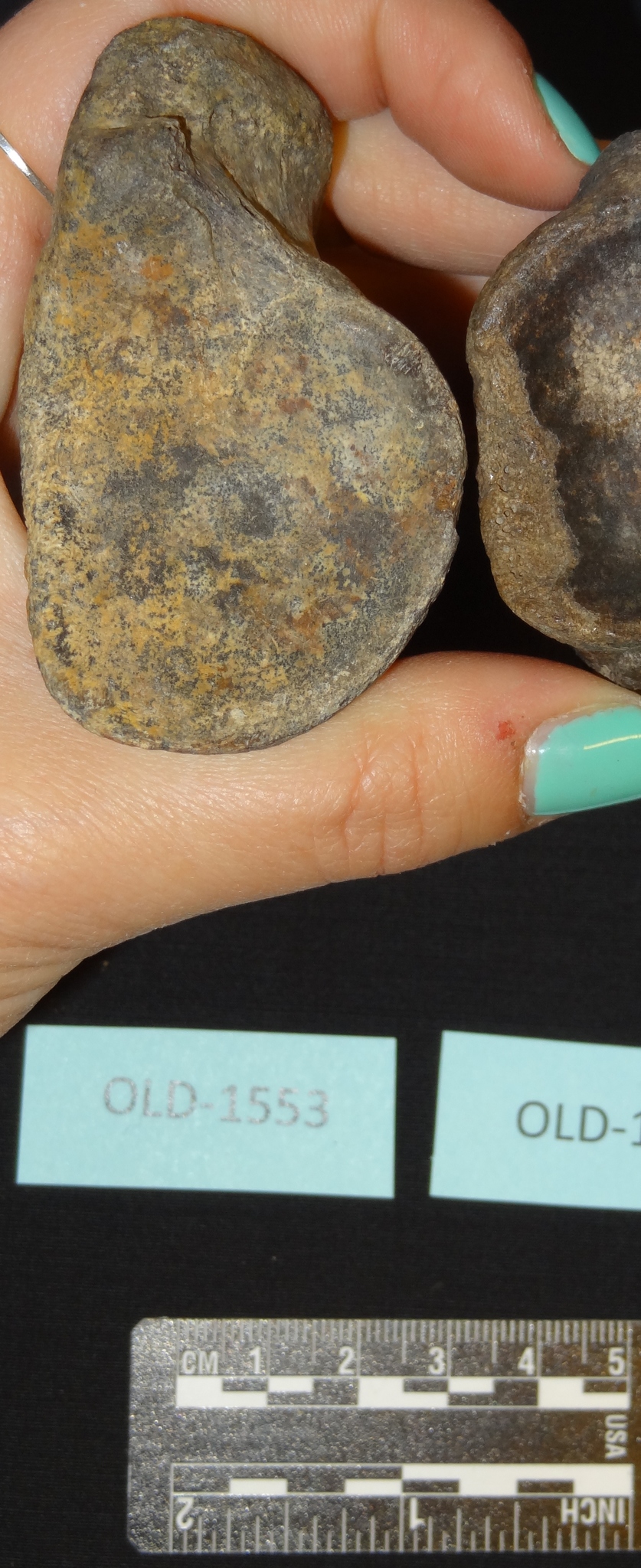
OLD-1553 |
13149 |
|
|
SCP-f |
|
114 - Natural History Museum UK |
IV |
|
|
-- |
OLD-1553; May all be from Bed IV See strat info. for OLD-1558 |
|
|
|
Unknown |
|
Mammalia |
Artiodactyla |
|
|
|
Bovidae |
|
|
|
|
|
|
No |
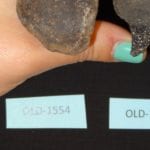 |
OLD-1554 |
13150 |
|
|
SCP-f |
|
114 - Natural History Museum UK |
IV |
|
|
-- |
OLD-1554; May all be from Bed IV See strat info. for OLD-1558 |
|
|
|
Unknown |
|
Mammalia |
Artiodactyla |
|
|
|
Bovidae |
|
|
|
|
|
|
No |
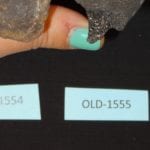 |
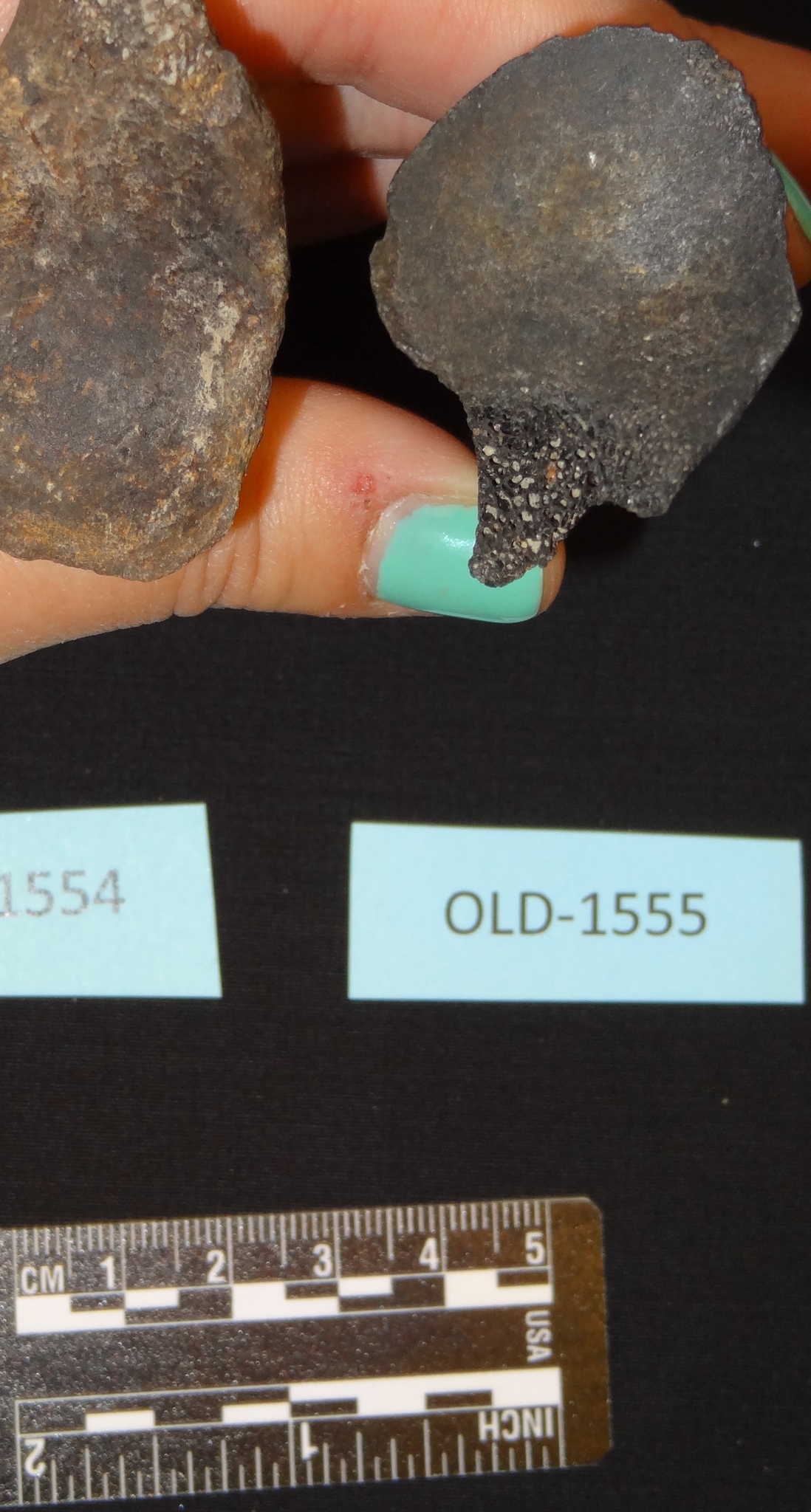
OLD-1555 |
13151 |
|
|
SCP-f |
|
114 - Natural History Museum UK |
IV |
|
|
-- |
OLD-1555; May all be from Bed IV See strat info. for OLD-1558 |
|
|
|
Unknown |
|
Mammalia |
Artiodactyla |
|
|
|
Bovidae |
|
|
|
|
|
|
No |
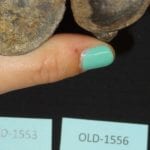 |
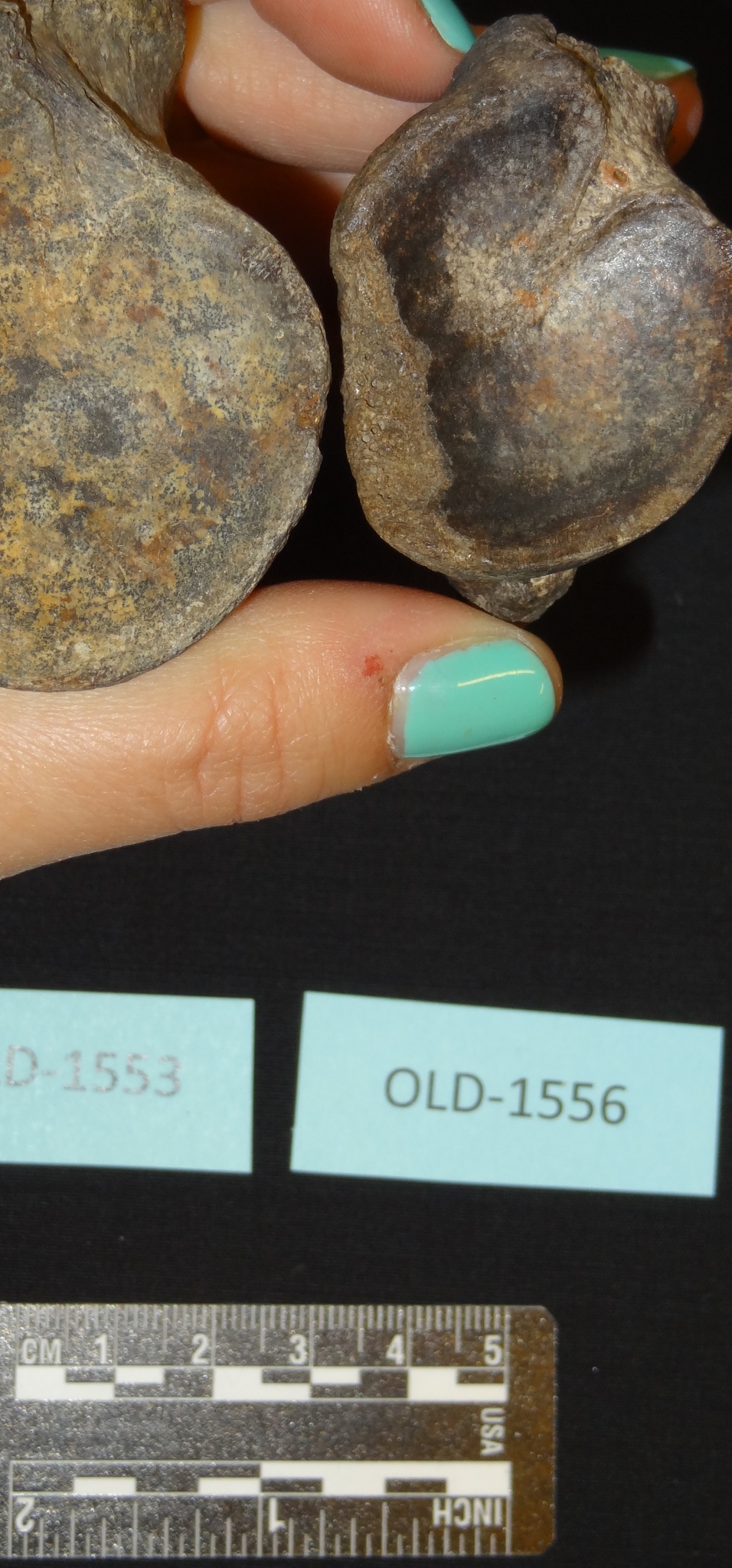
OLD-1556 |
13152 |
|
|
SCP-f |
|
114 - Natural History Museum UK |
IV |
|
|
-- |
OLD-1556; May all be from Bed IV See strat info. for OLD-1558 |
|
|
|
Unknown |
|
Mammalia |
Artiodactyla |
|
|
|
Bovidae |
|
|
|
|
|
|
No |
|
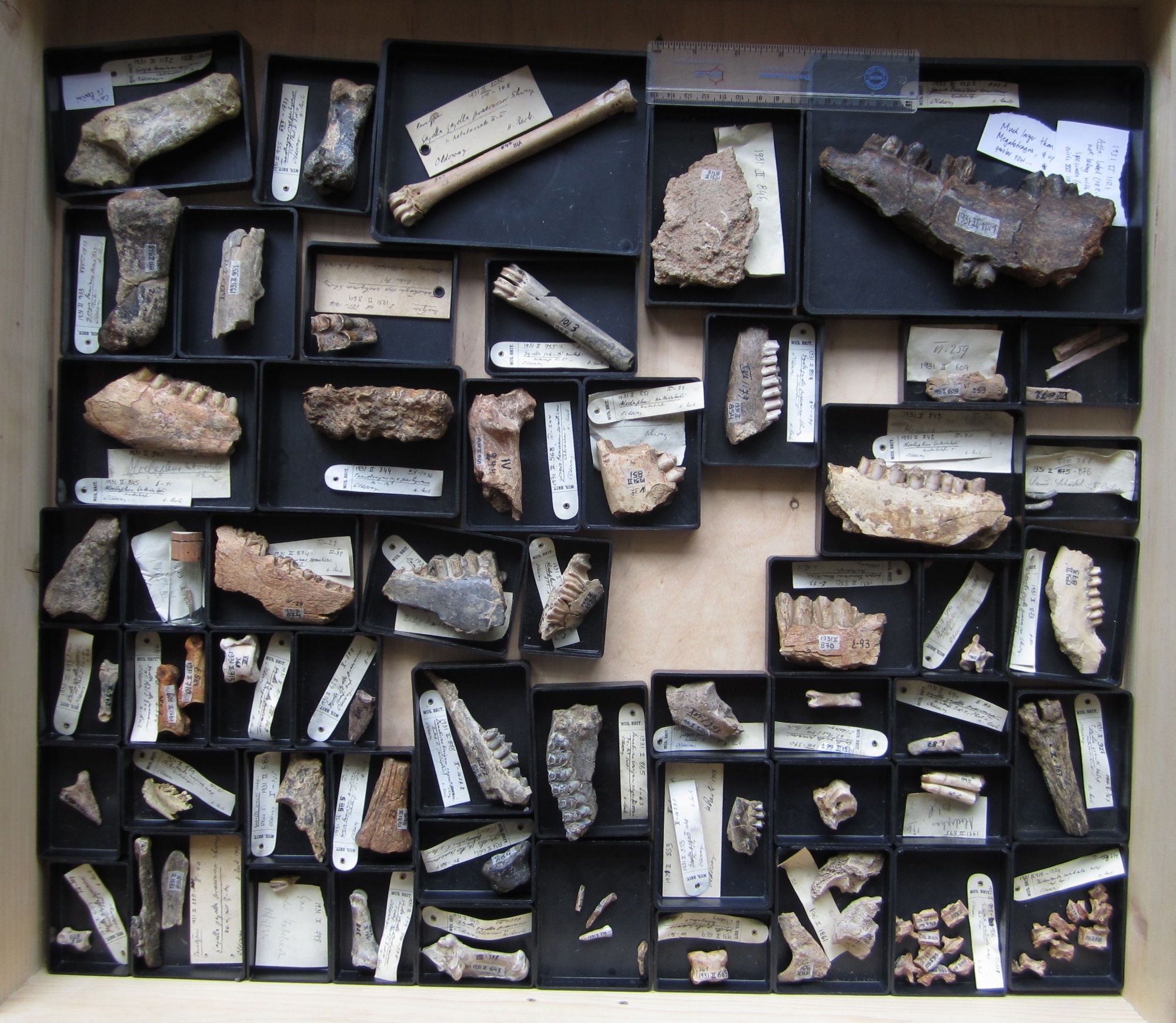
FLK N I 1740 |
1438 |
7 - FLK North |
|
SCP-f |
|
104 - Unknown |
I |
3 |
|
Gentry, A. W. 1966 Fossil Antilopini of East Africa. Bulletin of the British Museum of Natural History, Geology. 12: 43-106. 9 pls. |
Only the stem has been preserved. |
137 - A. Gentry |
|
|
Unknown |
|
Mammalia |
Artiodactyla |
Ruminantia |
|
Bovoidea |
Bovidae |
Antilopinae |
Antilopini |
Gazella |
|
|
|
No |
|
FLK N I 6076 |
1439 |
7 - FLK North |
|
SCP-f |
|
104 - Unknown |
I |
3 |
|
Gentry, A. W. 1966 Fossil Antilopini of East Africa. Bulletin of the British Museum of Natural History, Geology. 12: 43-106. 9 pls. |
Only the stem has been preserved. |
137 - A. Gentry |
|
|
Unknown |
|
Mammalia |
Artiodactyla |
Ruminantia |
|
Bovoidea |
Bovidae |
Antilopinae |
Antilopini |
Gazella |
|
|
|
No |
|
FLK N I Unknown Gazella 5 |
1442 |
7 - FLK North |
|
SCP-f |
|
|
I |
|
|
Gentry, A. W. 1966 Fossil Antilopini of East Africa. Bulletin of the British Museum of Natural History, Geology. 12: 43-106. 9 pls. |
Only the stem is preserved. |
137 - A. Gentry |
|
|
Unknown |
|
Mammalia |
Artiodactyla |
Ruminantia |
|
Bovoidea |
Bovidae |
Antilopinae |
Antilopini |
Gazella |
|
|
|
No |
|
FLK N I 1467 |
1443 |
7 - FLK North |
|
SCP-f |
|
104 - Unknown |
I |
|
1 |
Gentry, A. W. 1966 Fossil Antilopini of East Africa. Bulletin of the British Museum of Natural History, Geology. 12: 43-106. 9 pls. |
Only the stem is preserved. |
137 - A. Gentry |
|
|
Unknown |
|
Mammalia |
Artiodactyla |
Ruminantia |
|
Bovoidea |
Bovidae |
Antilopinae |
Antilopini |
Gazella |
|
|
|
No |
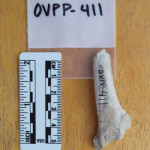 |
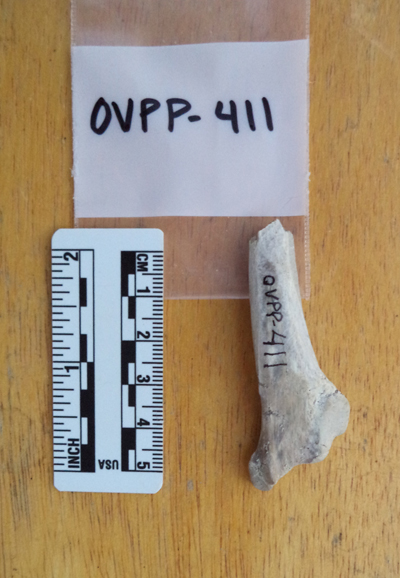
OVPP-411 |
9782 |
|
|
SCP-f |
|
126 - Mary Leakey Camp, Antiquities Station Olduvai Gorge, Tanzania |
II |
Middle |
3 meters above Tuff 1F. |
-- |
|
157 - L. Hlusko |
2013/06/25 |
253 - OVPP |
No |
|
Aves |
|
|
|
|
|
|
|
|
|
|
|
No |
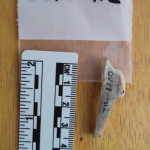 |
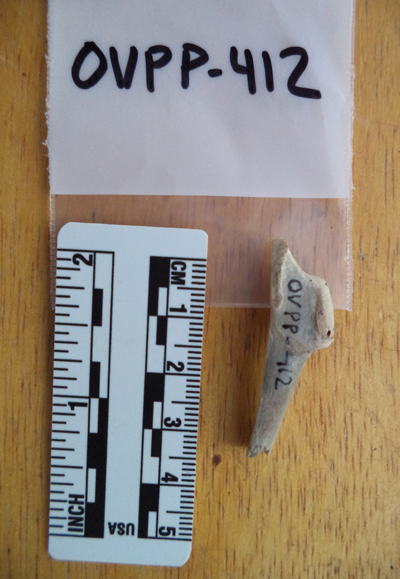
OVPP-412 |
9783 |
|
|
SCP-f |
|
126 - Mary Leakey Camp, Antiquities Station Olduvai Gorge, Tanzania |
II |
Lower |
5 meters above Tuff 1F. |
-- |
|
157 - L. Hlusko |
2013/06/25 |
253 - OVPP |
No |
|
Aves |
|
|
|
|
|
|
|
|
|
|
|
No |
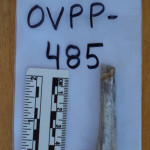 |
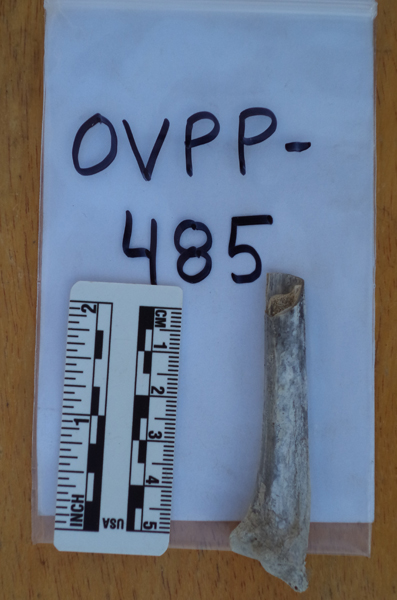
OVPP-485 |
9856 |
|
|
SCP-f |
|
126 - Mary Leakey Camp, Antiquities Station Olduvai Gorge, Tanzania |
I |
Upper |
Below Tuff 1F. |
-- |
|
157 - L. Hlusko |
2013/06/26 |
253 - OVPP |
No |
|
Aves |
|
|
|
|
|
|
|
|
|
|
|
No |
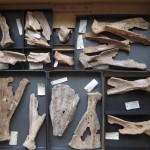 |
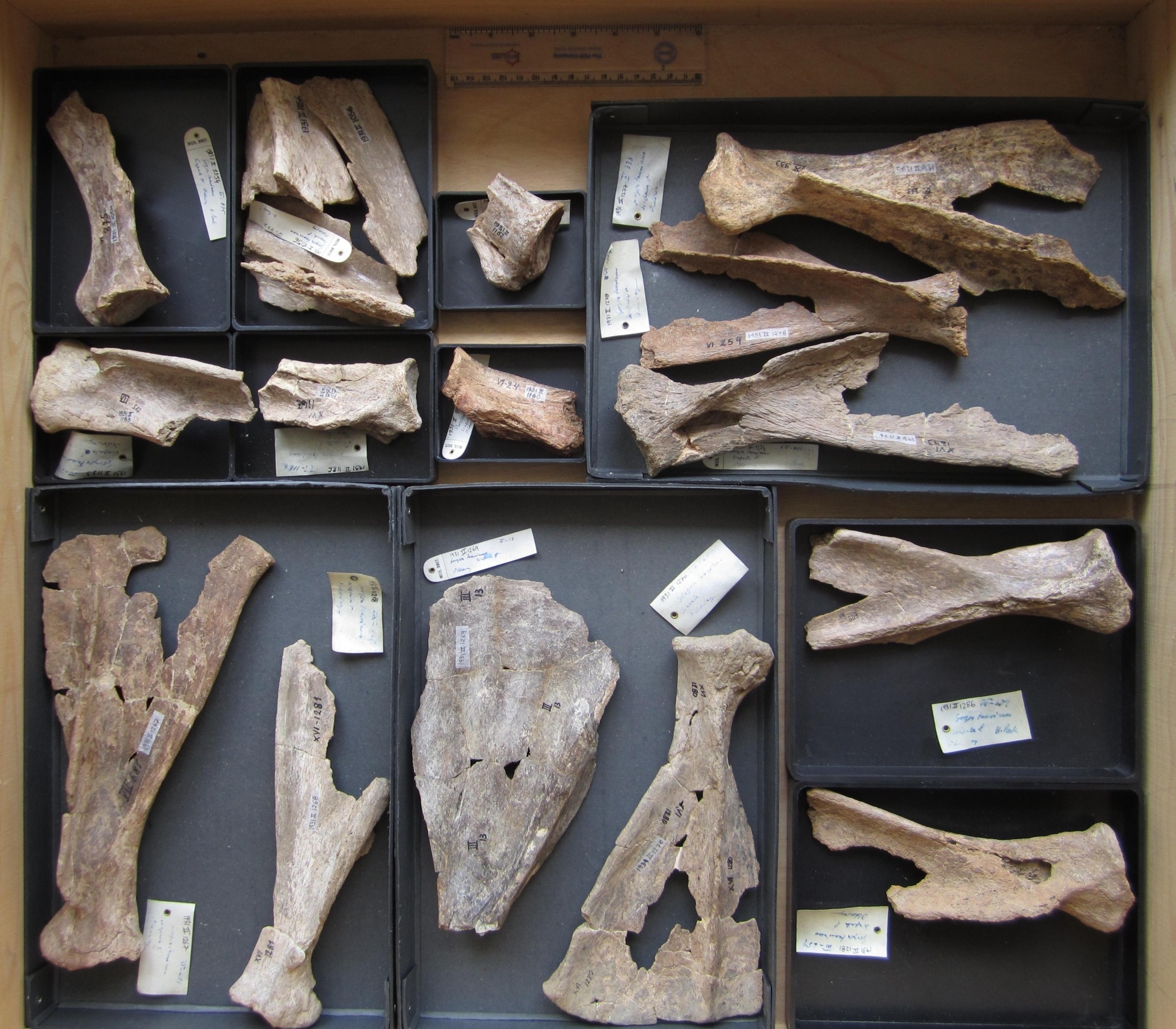
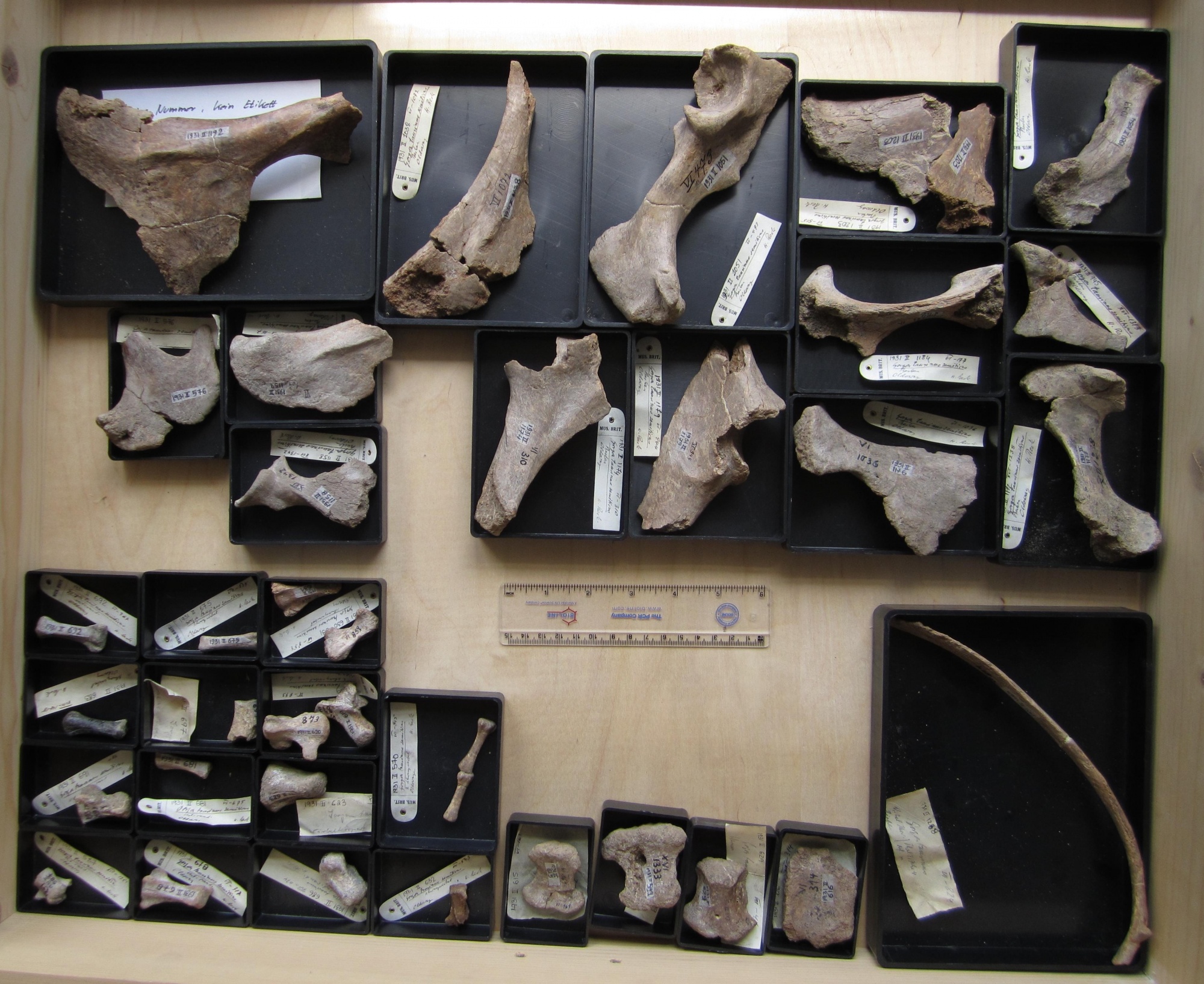
1931 II 1056 |
8809 |
|
|
SCP-f |
1913 |
116 - Bayerische Staatssammlung für Paläontologie und Geologie (BSPG), Munich, Germany |
|
|
|
Schwarz E. 1937. Die fossilen Antilopen von Oldoway. Wissenschaftliche Ergebnisse der Oldoway-Expedition 1913:62. |
3 scapular frags. Label/publication taxon ID: Gorgon taurinus semiticus. Reck Field No.: VI 937. |
|
|
273 - Reck expedition |
Unknown |
|
Mammalia |
Artiodactyla |
Ruminantia |
|
Bovoidea |
Bovidae |
Alcelaphinae |
Alcelaphini |
Megalotragus |
kattwinkeli |
|
Inventoried by Faysal Bibi in 2012. |
No |
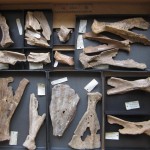 |
1931 II 1160 |
8810 |
|
|
SCP-f |
1913 |
116 - Bayerische Staatssammlung für Paläontologie und Geologie (BSPG), Munich, Germany |
|
|
|
Schwarz E. 1937. Die fossilen Antilopen von Oldoway. Wissenschaftliche Ergebnisse der Oldoway-Expedition 1913:62. |
Frag w glenoid. Label/publication taxon ID: Gorgon taurinus semiticus. Reck Field No.: IV 24 / VI 24. On specimen is VI 24, but label and Schwarz list as IV 24. |
|
|
273 - Reck expedition |
Unknown |
|
Mammalia |
Artiodactyla |
Ruminantia |
|
Bovoidea |
Bovidae |
Alcelaphinae |
Alcelaphini |
Megalotragus |
kattwinkeli |
|
Inventoried by Faysal Bibi in 2012. |
No |
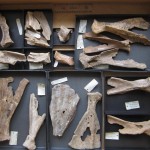 |
1931 II 1162 |
8811 |
|
|
SCP-f |
1913 |
116 - Bayerische Staatssammlung für Paläontologie und Geologie (BSPG), Munich, Germany |
|
|
|
Schwarz E. 1937. Die fossilen Antilopen von Oldoway. Wissenschaftliche Ergebnisse der Oldoway-Expedition 1913:62. |
Frag at glenoid. Label/publication taxon ID: Gorgon taurinus semiticus. Reck Field No.: none. |
|
|
273 - Reck expedition |
Unknown |
|
Mammalia |
Artiodactyla |
Ruminantia |
|
Bovoidea |
Bovidae |
Alcelaphinae |
Alcelaphini |
Megalotragus |
kattwinkeli |
|
Inventoried by Faysal Bibi in 2012. |
No |
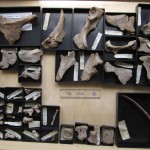 |
1931 II 1174 |
8812 |
|
|
SCP-f |
1913 |
116 - Bayerische Staatssammlung für Paläontologie und Geologie (BSPG), Munich, Germany |
|
|
|
Schwarz E. 1937. Die fossilen Antilopen von Oldoway. Wissenschaftliche Ergebnisse der Oldoway-Expedition 1913:8-104. |
At glenoid. Label/publication taxon ID: Gorgon taurinus semiticus. Reck Field No.: VI 310. Previous ID pelvis. |
|
|
273 - Reck expedition |
Unknown |
|
Mammalia |
Artiodactyla |
Ruminantia |
|
Bovoidea |
Bovidae |
Alcelaphinae |
Alcelaphini |
Megalotragus |
kattwinkeli |
|
Inventoried by Faysal Bibi in 2012. |
No |
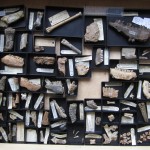 |
1931 II 1196 |
8815 |
|
|
SCP-f |
1913 |
116 - Bayerische Staatssammlung für Paläontologie und Geologie (BSPG), Munich, Germany |
|
|
|
-- |
Fragment. Label/publication taxon ID: none. Reck Field No.: none. No label, no field number. V large size (giraffe?). This specimen's number was not visible in any photographs. There are multiple photographs with fossils that potentially represent this specimen. As a result, all photographs that may represent the specimen were added to this record.� |
|
|
273 - Reck expedition |
Unknown |
|
Mammalia |
Artiodactyla |
Ruminantia |
|
Giraffoidea |
Giraffidae |
Sivatheriinae |
|
|
|
|
Inventoried by Faysal Bibi in 2012. |
No |
|
1931 II 1197 |
8816 |
|
|
SCP-f |
1913 |
116 - Bayerische Staatssammlung für Paläontologie und Geologie (BSPG), Munich, Germany |
|
|
|
-- |
Fragment at glenoid. Label/publication taxon ID: none. Reck Field No.: none. No label, no field number. |
|
|
273 - Reck expedition |
Unknown |
|
Mammalia |
Artiodactyla |
Ruminantia |
|
Giraffoidea |
Giraffidae |
Sivatheriinae |
|
|
|
|
Inventoried by Faysal Bibi in 2012. |
No |
|
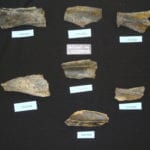
OLD-1500 |
11728 |
|
|
SCP-f |
|
114 - Natural History Museum UK |
|
|
|
-- |
OLD-1500 |
|
|
|
Unknown |
|
Mammalia |
Artiodactyla |
|
|
|
Bovidae |
|
|
|
|
|
|
Yes |
 |
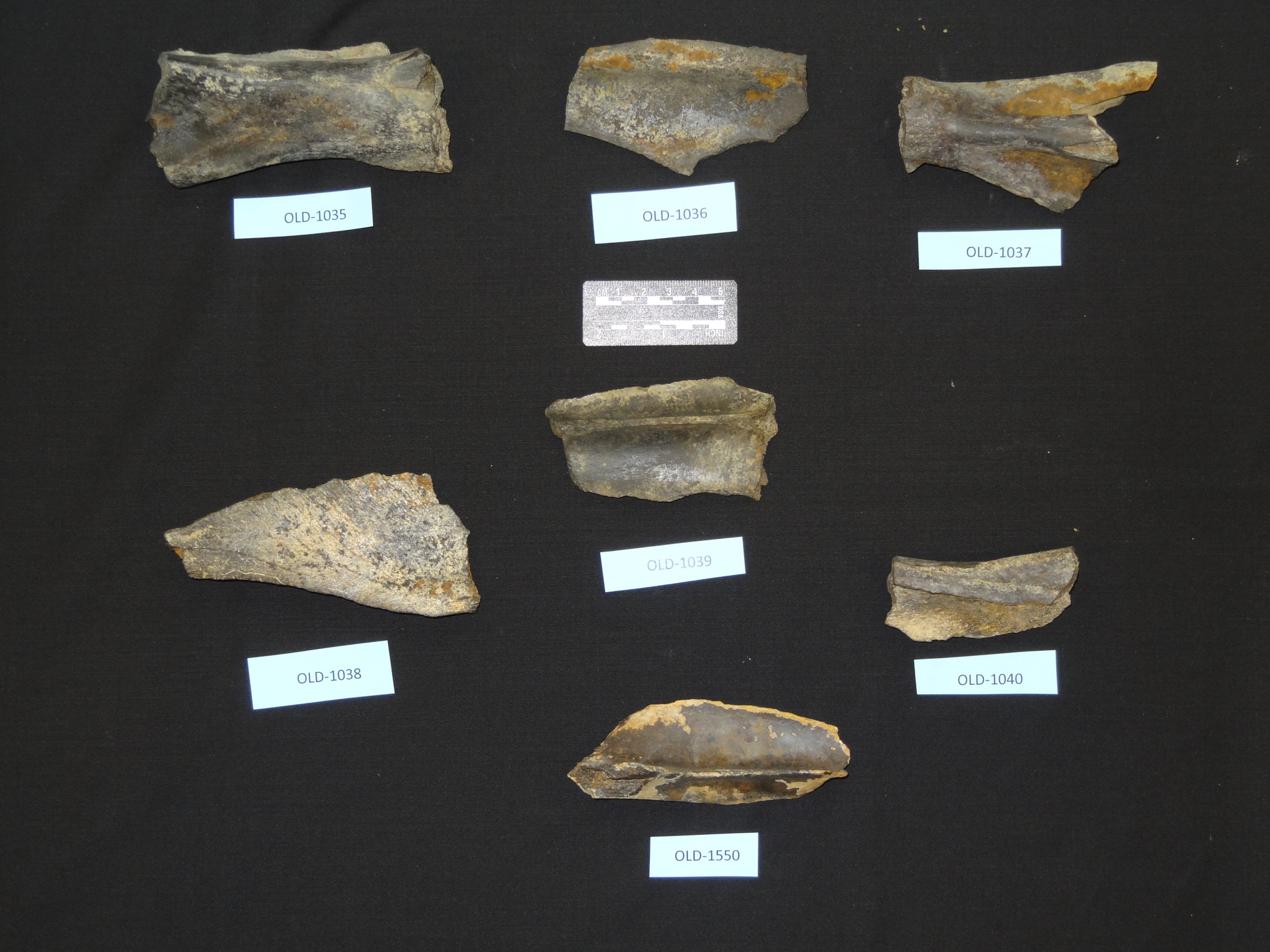
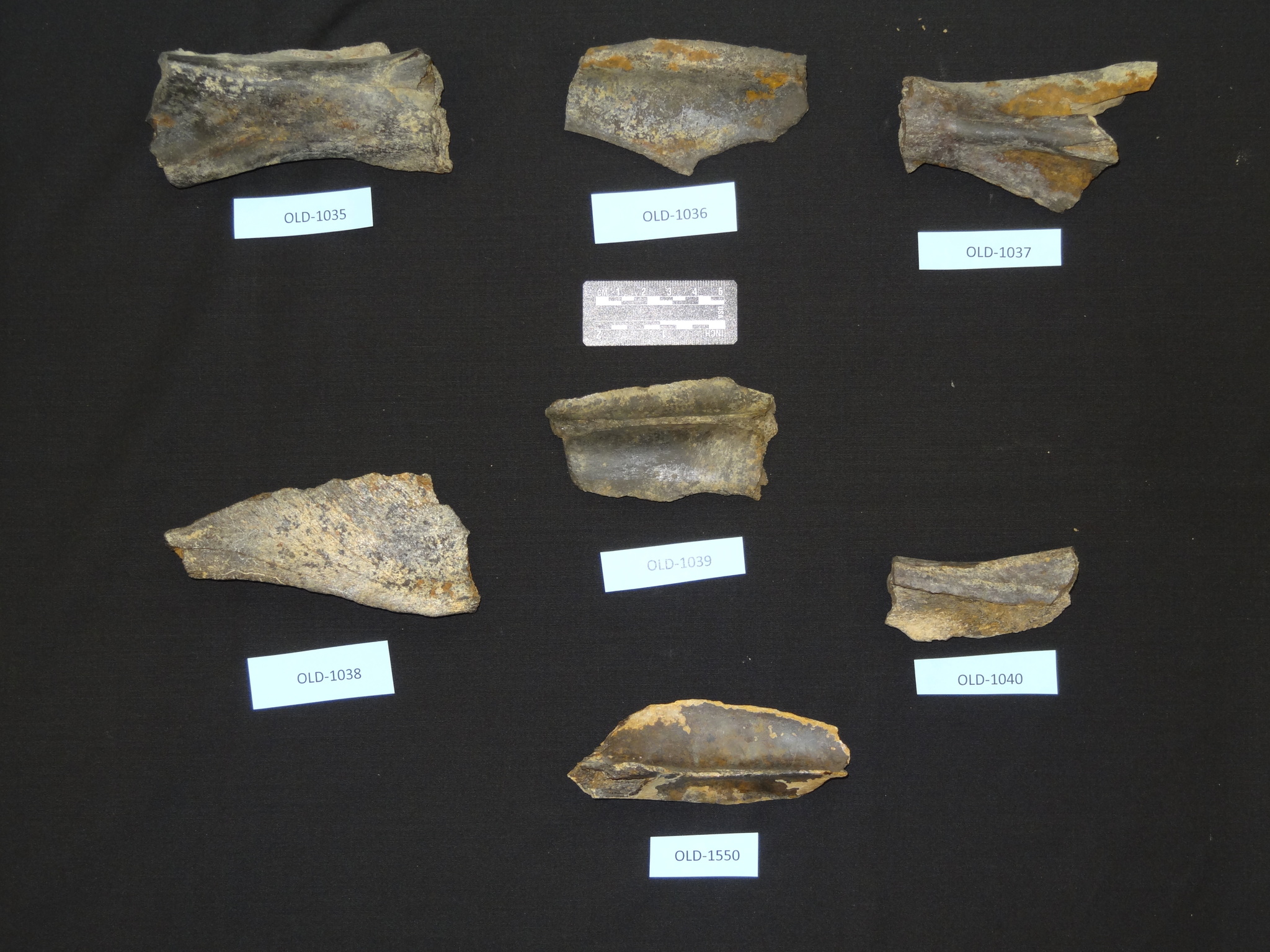
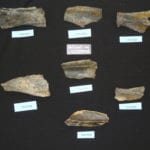
OLD-1035 |
12268 |
|
|
SCP-f |
|
114 - Natural History Museum UK |
|
|
|
-- |
OLD-1035; humerus distal end fragment; may all be from Bed IV. See strat info for OLD-1558 |
|
|
|
Unknown |
|
Mammalia |
Artiodactyla |
|
|
|
Bovidae |
|
|
|
|
|
|
Yes |
 |
OLD-1036 |
12269 |
|
|
SCP-f |
|
114 - Natural History Museum UK |
|
|
|
-- |
OLD-1036; humerus distal end fragment; may all be from Bed IV. See strat info for OLD-1558 |
|
|
|
Unknown |
|
Mammalia |
Artiodactyla |
|
|
|
Bovidae |
|
|
|
|
|
|
Yes |
|
OLD-1037 |
12270 |
|
|
SCP-f |
|
114 - Natural History Museum UK |
|
|
|
-- |
OLD-1037; humerus distal end fragment; may all be from Bed IV. See strat info for OLD-1558 |
|
|
|
Unknown |
|
Mammalia |
Artiodactyla |
|
|
|
Bovidae |
|
|
|
|
|
|
Yes |
|
OLD-1038 |
12271 |
|
|
SCP-f |
|
114 - Natural History Museum UK |
|
|
|
-- |
OLD-1038; humerus distal end fragment; may all be from Bed IV. See strat info for OLD-1558 |
|
|
|
Unknown |
|
Mammalia |
Artiodactyla |
|
|
|
Bovidae |
|
|
|
|
|
|
Yes |
|
OLD-1039 |
12272 |
|
|
SCP-f |
|
114 - Natural History Museum UK |
|
|
|
-- |
OLD-1039; humerus distal end fragment; may all be from Bed IV. See strat info for OLD-1558 |
|
|
|
Unknown |
|
Mammalia |
Artiodactyla |
|
|
|
Bovidae |
|
|
|
|
|
|
Yes |
|
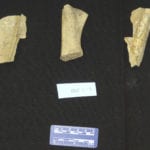
OLD-1040 |
12273 |
|
|
SCP-f |
|
114 - Natural History Museum UK |
|
|
|
-- |
OLD-1040; humerus distal end fragment; may all be from Bed IV; see strat info for OLD-1558 |
|
|
|
Unknown |
|
Mammalia |
Artiodactyla |
|
|
|
Bovidae |
|
|
|
|
|
|
Yes |
 |
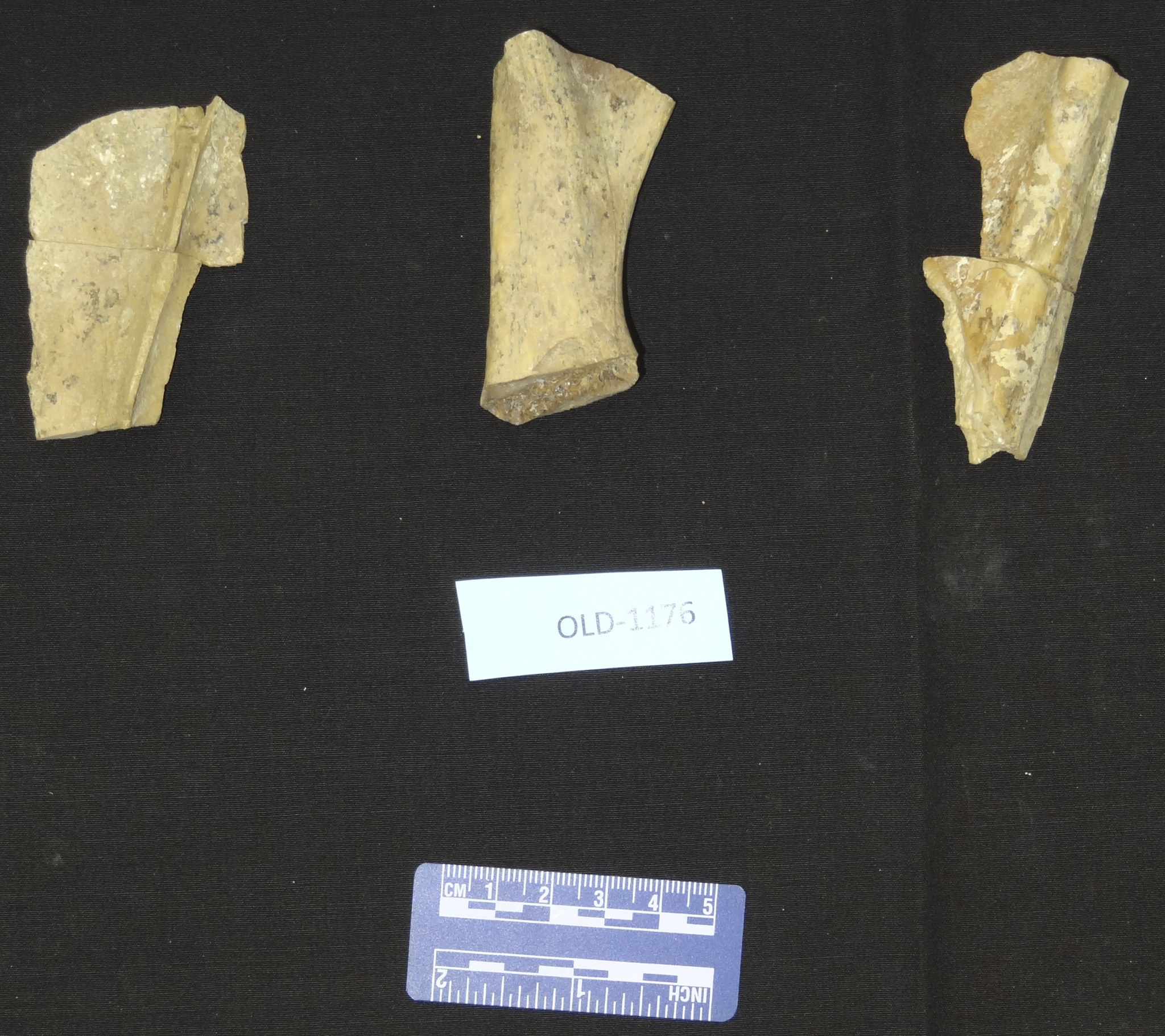
OLD-1176 |
13092 |
|
|
SCP-f, PVG-f (2) |
|
114 - Natural History Museum UK |
I |
|
|
-- |
OLD-1176 |
|
|
|
Unknown |
|
Mammalia |
Artiodactyla |
Ruminantia |
|
Bovoidea |
Bovidae |
|
|
|
|
|
|
No |
|
F4636 |
3067 |
24 - DK |
|
SHEL-f |
|
105 - National Museum and House of Culture, Dar es Salaam, Tanzania (?) |
I |
|
|
Auffenberg, W. 1981. The fossil turtles of Olduvai Gorge, Tanzania, Africa. Copeia 1981:509-522. |
Original information indicated that this specimen was located in Nairobi. This specimen is likely within the material that was repatriated to Dar in 2011, but this has yet to be confirmed. |
152 - W. Auffenberg |
|
264 - Leakey family expedition |
Unknown |
|
Reptilia |
Testudines |
|
|
|
|
|
|
|
|
|
The author mentions there are over 3,000 fossilized turtle fragments from Olduvai Gorge, 98% of which are from the species Pelusios sinuatus. However, it is unclear which specimens belong to which species based on the description given. When it was unclear, the specimen is only referred to as belonging to the Order Testudines. |
No |
|
OVPP-Testudines 15 |
3086 |
18 - VEK |
|
SHEL-f |
|
106 - Natural History Museum UK (?) |
|
|
|
-- |
|
152 - W. Auffenberg |
|
|
Unknown |
|
Reptilia |
Testudines |
|
|
|
|
|
|
|
|
|
The author mentions there are over 3,000 fossilized turtle fragments from Olduvai Gorge, 98% of which are from the species Pelusios sinuatus. However, it is unclear which specimens belong to which species based on the description given. When it was unclear, the specimen is only referred to as belonging to the Order Testudines. |
No |
|
OVPP-Testudines 16 |
3087 |
70 - EHK |
|
SHEL-f |
|
106 - Natural History Museum UK (?) |
I |
|
|
-- |
|
152 - W. Auffenberg |
|
|
Unknown |
|
Reptilia |
Testudines |
|
|
|
|
|
|
|
|
|
The author mentions there are over 3,000 fossilized turtle fragments from Olduvai Gorge, 98% of which are from the species Pelusios sinuatus. However, it is unclear which specimens belong to which species based on the description given. When it was unclear, the specimen is only referred to as belonging to the Order Testudines. |
No |
|
OVPP-Testudines 17 |
3088 |
9 - THC |
|
SHEL-f |
|
106 - Natural History Museum UK (?) |
I |
|
|
-- |
|
152 - W. Auffenberg |
|
|
Unknown |
|
Reptilia |
Testudines |
|
|
|
|
|
|
|
|
|
The author mentions there are over 3,000 fossilized turtle fragments from Olduvai Gorge, 98% of which are from the species Pelusios sinuatus. However, it is unclear which specimens belong to which species based on the description given. When it was unclear, the specimen is only referred to as belonging to the Order Testudines. |
No |
|
F128 |
3089 |
19 - SHK |
|
SHEL-f |
|
105 - National Museum and House of Culture, Dar es Salaam, Tanzania (?) |
|
|
|
-- |
Original information indicated that this specimen was located in Nairobi. This specimen is likely within the material that was repatriated to Dar in 2011, but this has yet to be confirmed. |
152 - W. Auffenberg |
|
264 - Leakey family expedition |
Unknown |
|
Reptilia |
Testudines |
|
|
|
|
|
|
|
|
|
The author mentions there are over 3,000 fossilized turtle fragments from Olduvai Gorge, 98% of which are from the species Pelusios sinuatus. However, it is unclear which specimens belong to which species based on the description given. When it was unclear, the specimen is only referred to as belonging to the Order Testudines. |
No |
|
F240 |
3090 |
19 - SHK |
|
SHEL-f |
|
105 - National Museum and House of Culture, Dar es Salaam, Tanzania (?) |
|
|
|
-- |
Original information indicated that this specimen was located in Nairobi. This specimen is likely within the material that was repatriated to Dar in 2011, but this has yet to be confirmed. |
152 - W. Auffenberg |
|
264 - Leakey family expedition |
Unknown |
|
Reptilia |
Testudines |
|
|
|
|
|
|
|
|
|
The author mentions there are over 3,000 fossilized turtle fragments from Olduvai Gorge, 98% of which are from the species Pelusios sinuatus. However, it is unclear which specimens belong to which species based on the description given. When it was unclear, the specimen is only referred to as belonging to the Order Testudines. |
No |
|
OVPP-Testudines 18 |
3095 |
22 - SC |
|
SHEL-f |
|
106 - Natural History Museum UK (?) |
II |
|
|
-- |
|
152 - W. Auffenberg |
|
|
Unknown |
|
Reptilia |
Testudines |
|
|
|
|
|
|
|
|
|
The author mentions there are over 3,000 fossilized turtle fragments from Olduvai Gorge, 98% of which are from the species Pelusios sinuatus. However, it is unclear which specimens belong to which species based on the description given. When it was unclear, the specimen is only referred to as belonging to the Order Testudines. |
No |
|
F556 |
3101 |
8 - MK |
|
SHEL-f |
|
106 - Natural History Museum UK (?) |
IV |
|
|
-- |
|
152 - W. Auffenberg |
|
|
Unknown |
|
Reptilia |
Testudines |
|
|
|
|
|
|
|
|
|
The author mentions there are over 3,000 fossilized turtle fragments from Olduvai Gorge, 98% of which are from the species Pelusios sinuatus. However, it is unclear which specimens belong to which species based on the description given. When it was unclear, the specimen is only referred to as belonging to the Order Testudines. |
No |
|
F565 |
3102 |
8 - MK |
|
SHEL-f |
|
106 - Natural History Museum UK (?) |
IV |
|
|
-- |
|
152 - W. Auffenberg |
|
|
Unknown |
|
Reptilia |
Testudines |
|
|
|
|
|
|
|
|
|
The author mentions there are over 3,000 fossilized turtle fragments from Olduvai Gorge, 98% of which are from the species Pelusios sinuatus. However, it is unclear which specimens belong to which species based on the description given. When it was unclear, the specimen is only referred to as belonging to the Order Testudines. |
No |
|
F57 |
3103 |
8 - MK |
|
SHEL-f |
|
106 - Natural History Museum UK (?) |
IV |
|
|
-- |
|
152 - W. Auffenberg |
|
|
Unknown |
|
Reptilia |
Testudines |
|
|
|
|
|
|
|
|
|
The author mentions there are over 3,000 fossilized turtle fragments from Olduvai Gorge, 98% of which are from the species Pelusios sinuatus. However, it is unclear which specimens belong to which species based on the description given. When it was unclear, the specimen is only referred to as belonging to the Order Testudines. |
No |
|
F645 |
3104 |
8 - MK |
|
SHEL-f |
|
106 - Natural History Museum UK (?) |
IV |
|
|
-- |
|
152 - W. Auffenberg |
|
|
Unknown |
|
Reptilia |
Testudines |
|
|
|
|
|
|
|
|
|
The author mentions there are over 3,000 fossilized turtle fragments from Olduvai Gorge, 98% of which are from the species Pelusios sinuatus. However, it is unclear which specimens belong to which species based on the description given. When it was unclear, the specimen is only referred to as belonging to the Order Testudines. |
No |
|
F6647 |
3105 |
8 - MK |
|
SHEL-f |
|
106 - Natural History Museum UK (?) |
IV |
|
|
-- |
|
152 - W. Auffenberg |
|
|
Unknown |
|
Reptilia |
Testudines |
|
|
|
|
|
|
|
|
|
The author mentions there are over 3,000 fossilized turtle fragments from Olduvai Gorge, 98% of which are from the species Pelusios sinuatus. However, it is unclear which specimens belong to which species based on the description given. When it was unclear, the specimen is only referred to as belonging to the Order Testudines. |
No |
|
OVPP-Testudines 15 |
6853 |
18 - VEK |
|
SHEL-f |
|
106 - Natural History Museum UK (?) |
|
|
|
-- |
|
152 - W. Auffenberg |
|
|
Unknown |
|
Reptilia |
Testudines |
|
|
|
|
|
|
|
|
|
The author mentions there are over 3,000 fossilized turtle fragments from Olduvai Gorge, 98% of which are from the species Pelusios sinuatus. However, it is unclear which specimens belong to which species based on the description given. When it was unclear, the specimen is only referred to as belonging to the Order Testudines. |
No |